Serial Killer: The Exhibition Chicago: Inside the Dark, Immersive True-Crime Experience
A walk through the history, and the human cost, of serial murder
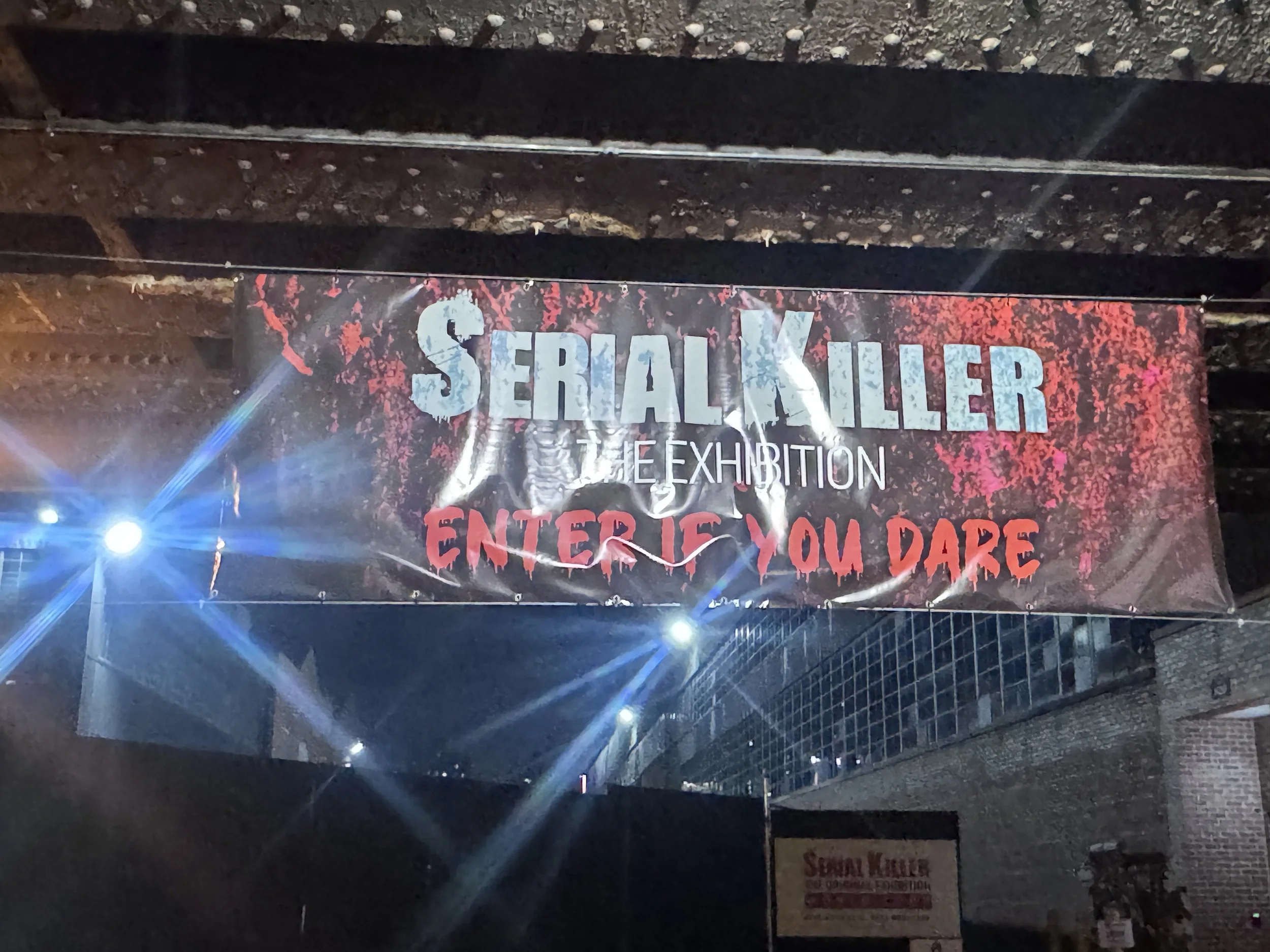
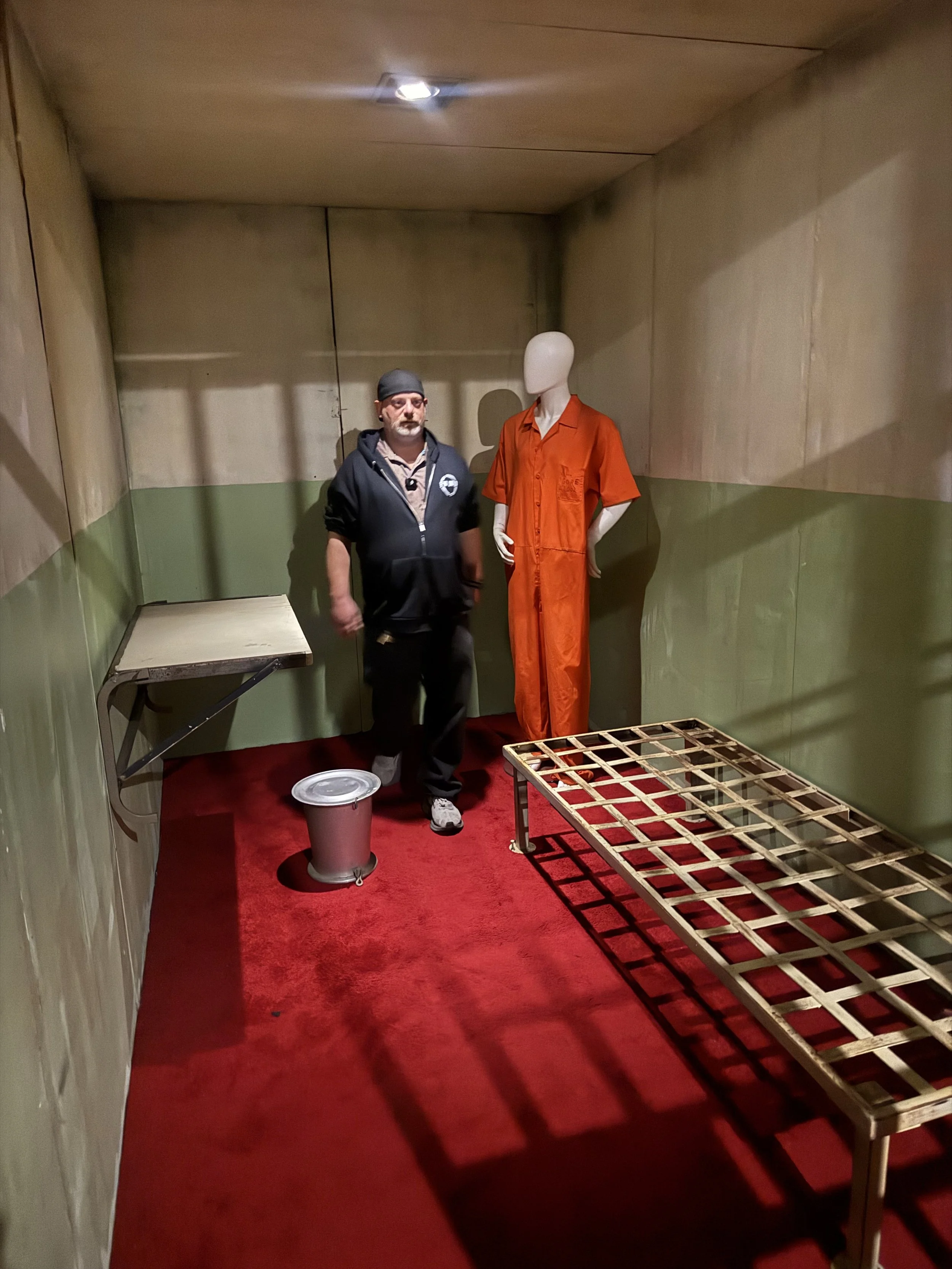
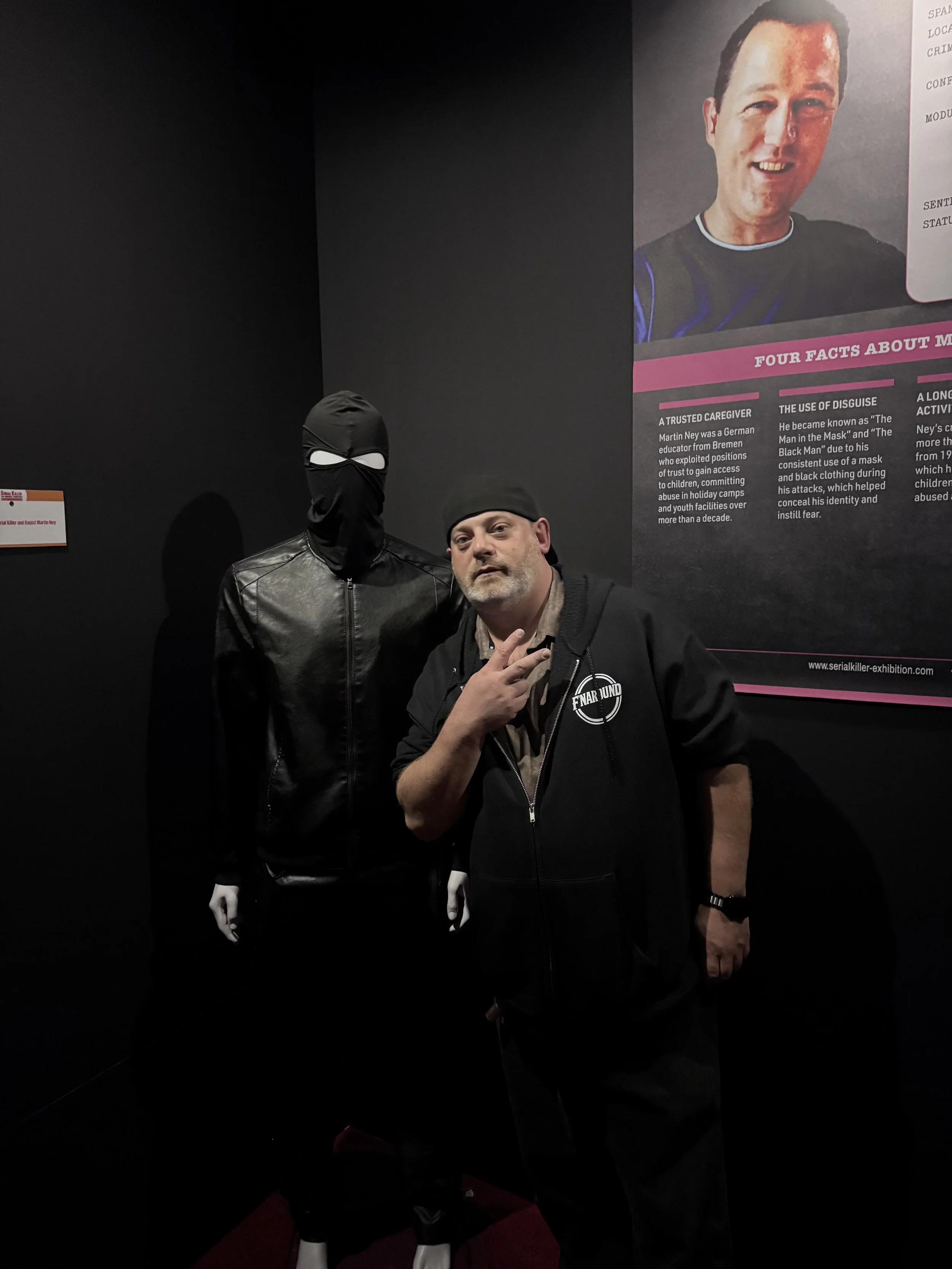
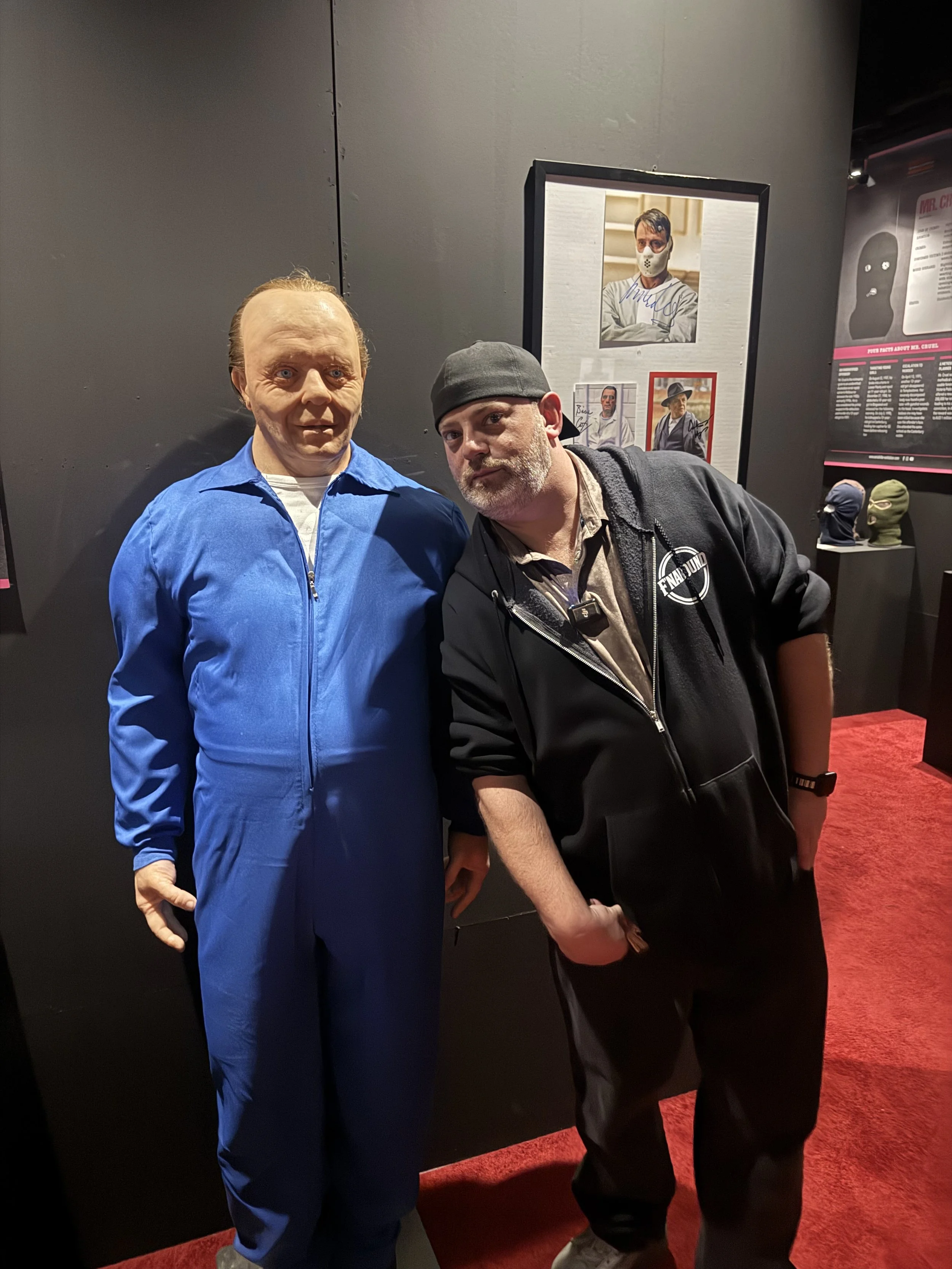
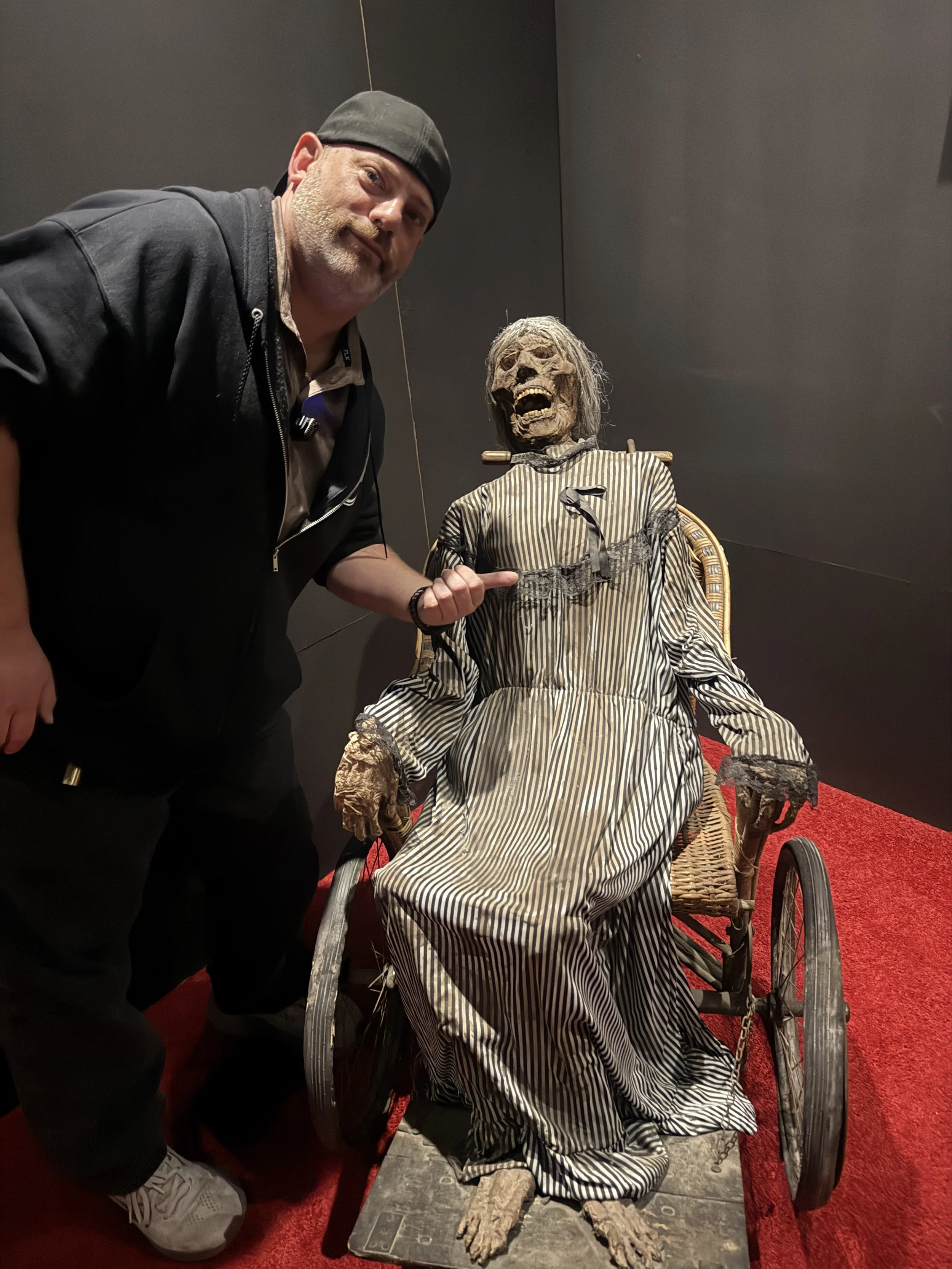
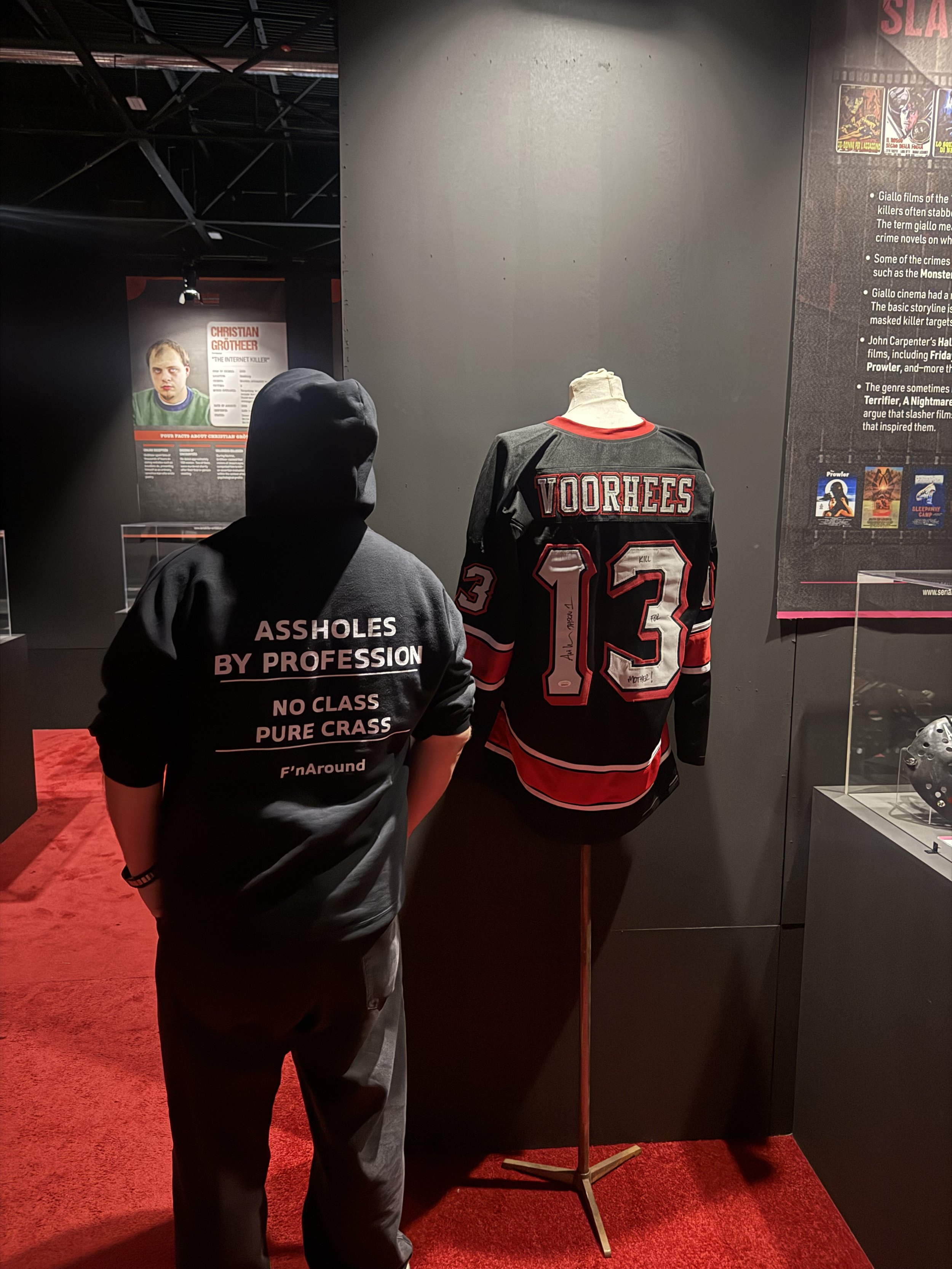
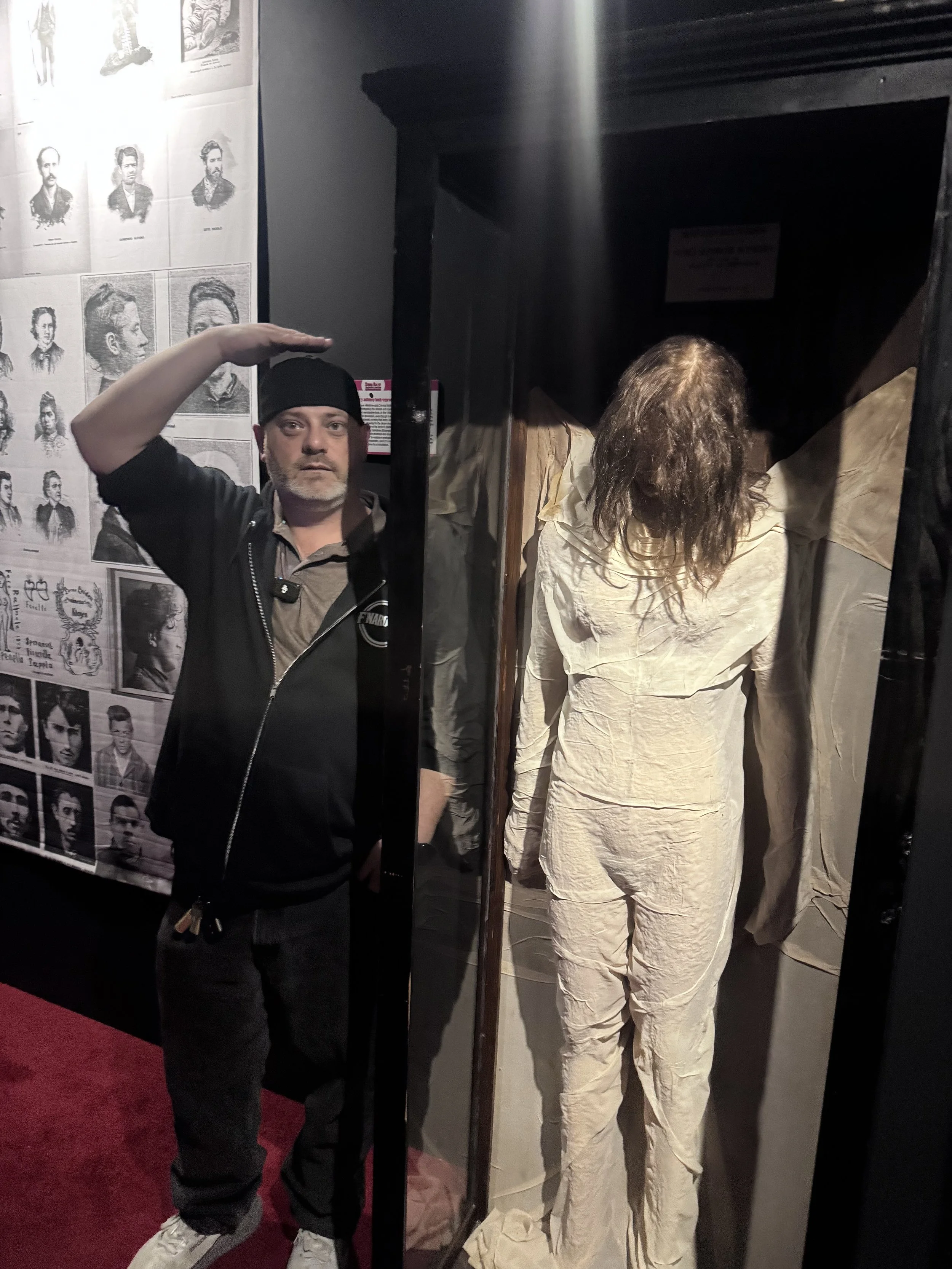
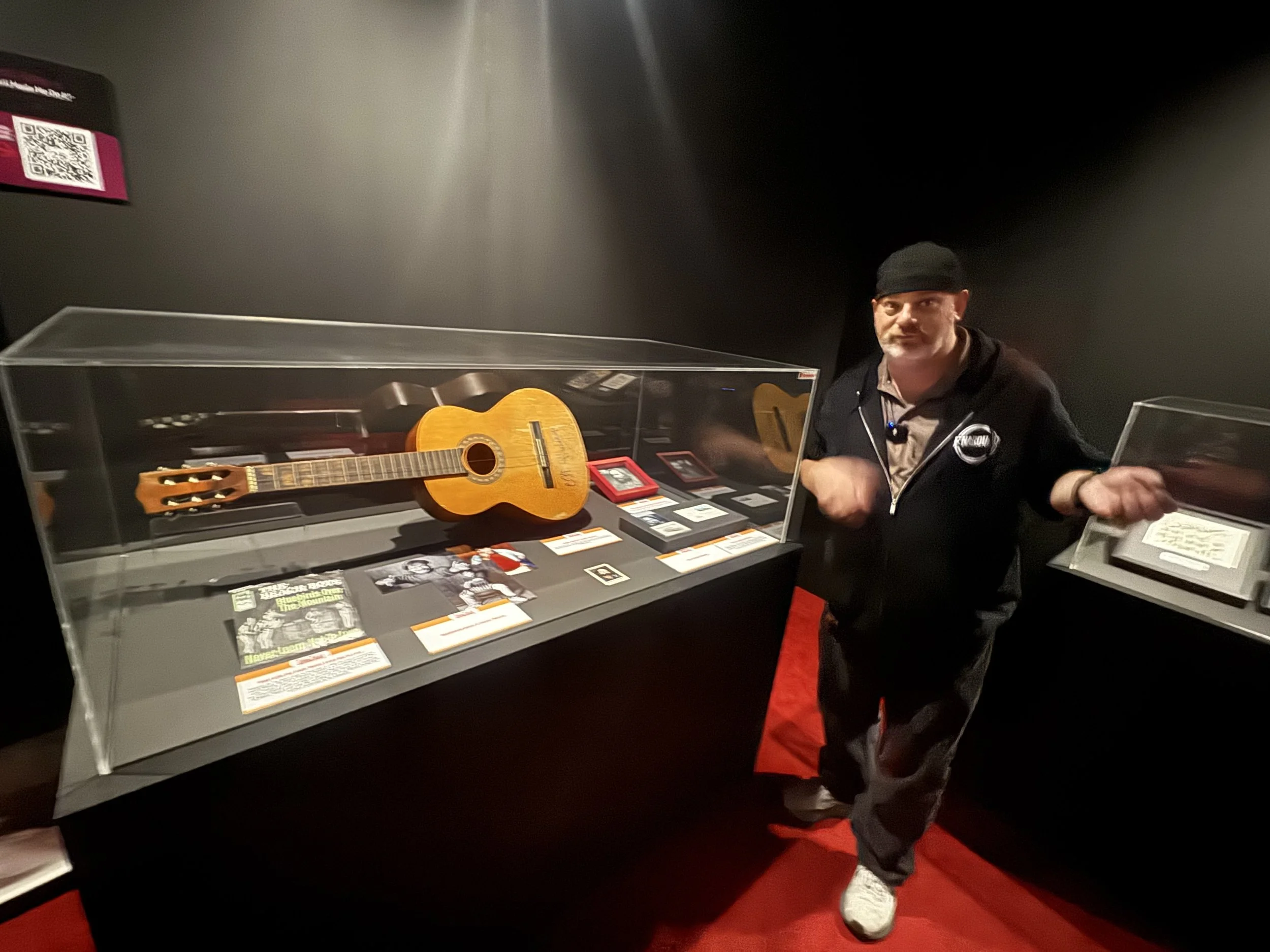
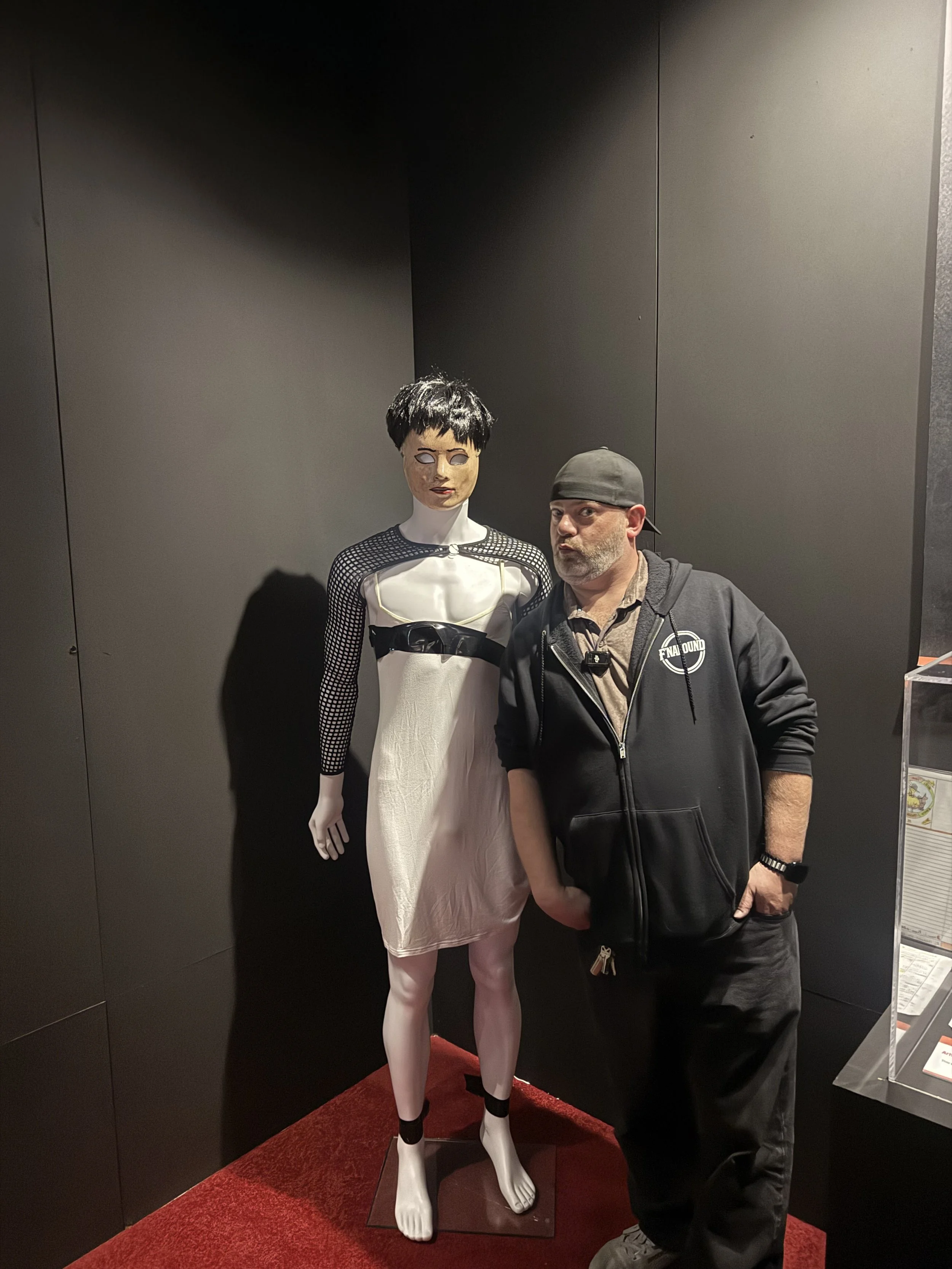
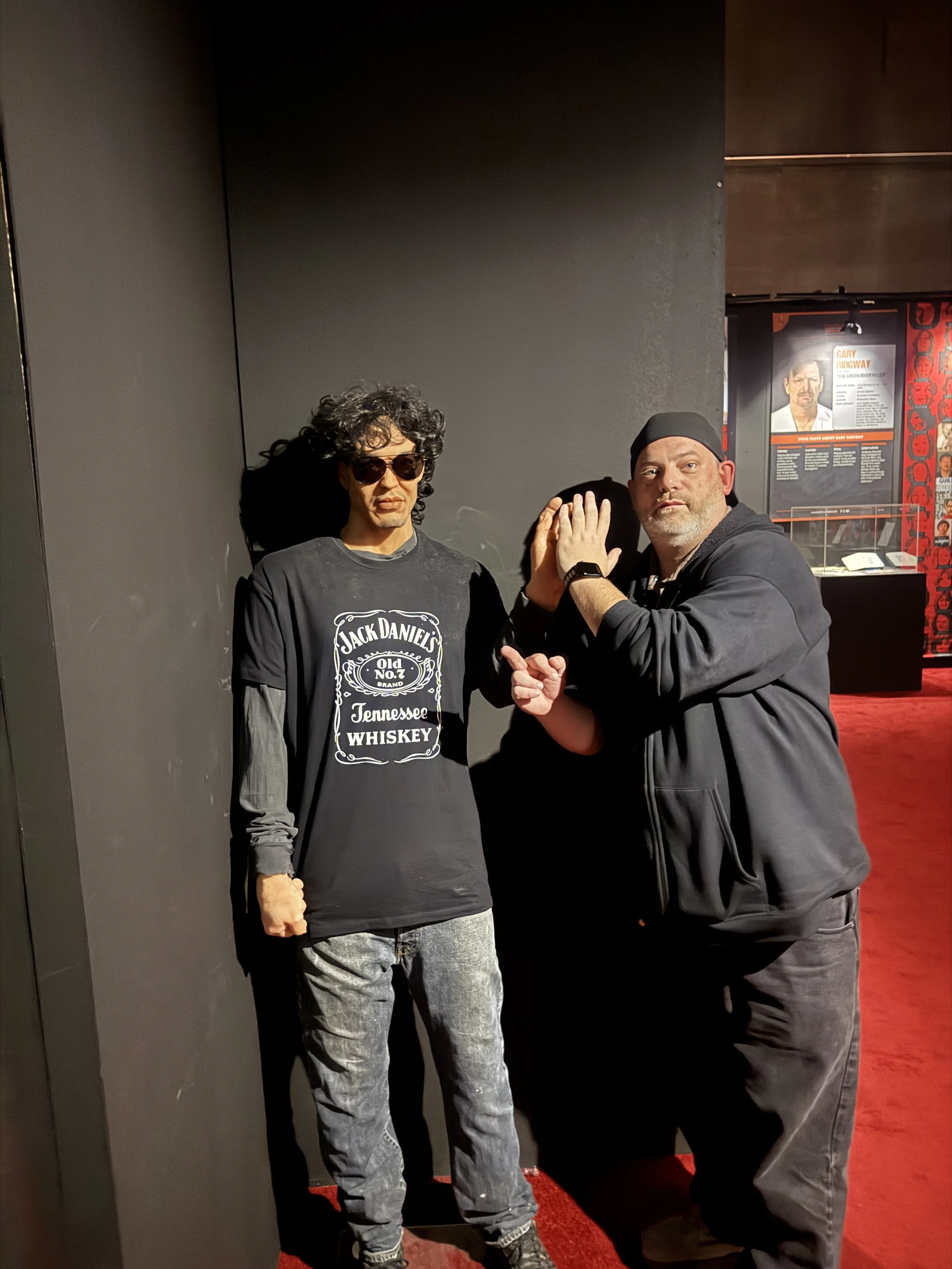
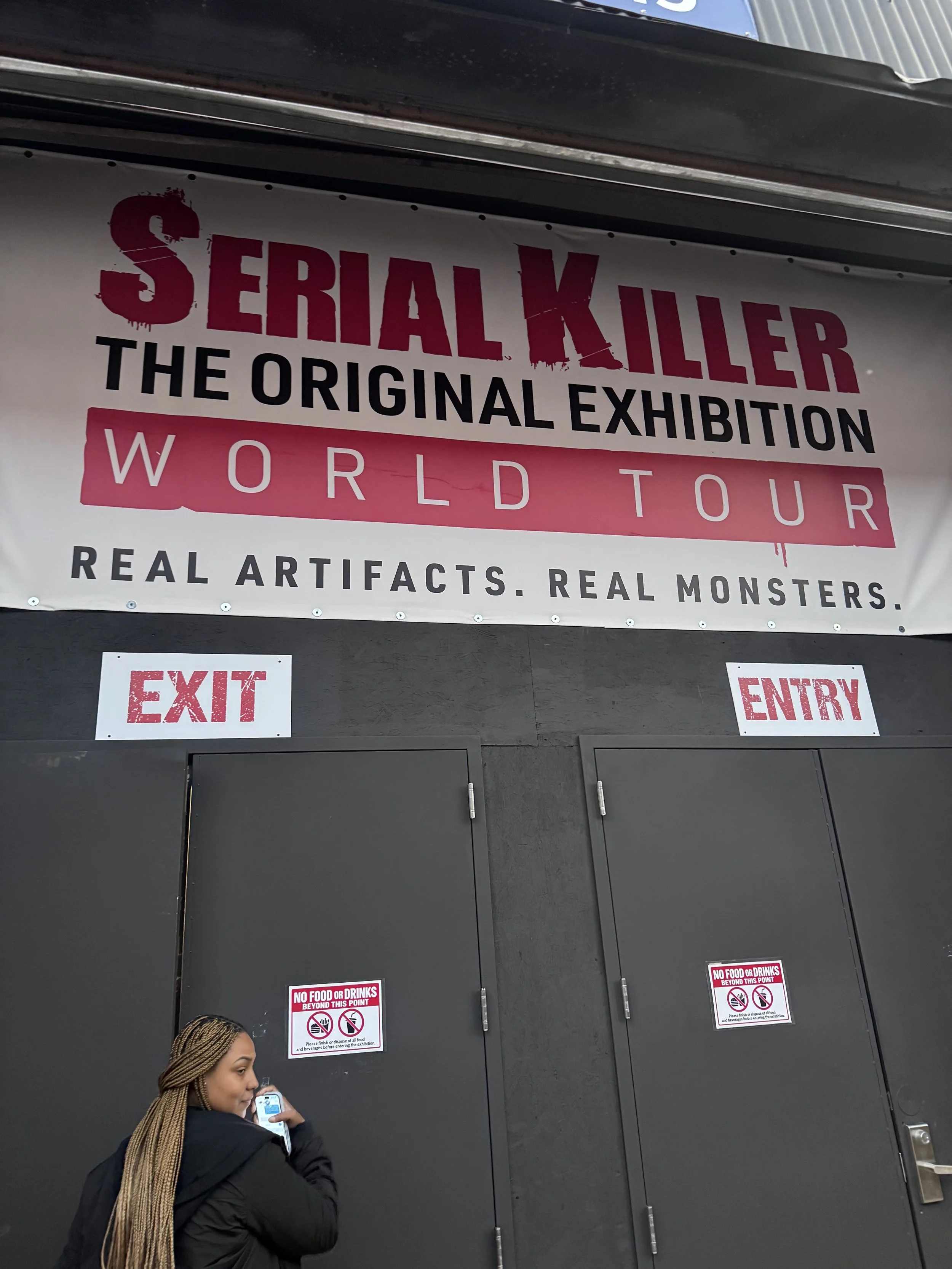
F'nAround attended Serial Killer: The Exhibition in Chicago on Thursday, October 22, 2026.
We went to Serial Killer: The Exhibition Chicago expecting a big true-crime display. What we found was something more deliberate: an immersive, museum-scale walk through the history of serial murder, the science that learned to hunt it, and the lives left in its wake.
Serial Killer: The Exhibition Chicago is installed at Cinespace Chicago Film Studios in North Lawndale, in a working film studio complex that has hosted productions from Chicago Fire and Chicago P.D. to The Chi. The setting fits. This is a show about how the darkest real stories get told, built from the physical evidence those stories left behind.
The scale is the first thing that registers. The organizers describe the world's largest private collection of authentic serial killer artifacts: more than 2,100 artifacts in the Chicago installation (the official site puts the collection at 2,000 plus), material connected to more than 150 serial killers from 25 countries, over 40 immersive rooms and galleries, and 225 display cases spread across roughly 26,000 square feet. The official guide suggests 90 to 120 minutes. Visitors who stop to study the objects, scan the QR codes and listen to the narration will want longer.
Serial Killer: The Exhibition Chicago at a Glance
Location: Cinespace Chicago Film Studios, visitor entrance at 2428 W. 15th St., Chicago, IL 60608.
Dates: Opened September 5, 2026; scheduled to run through January 24, 2027.
Hours: Closed Monday and Tuesday. Wednesday and Thursday, last entry 6 p.m., closes 7 p.m. Friday and Saturday, last entry 8 p.m., closes 9 p.m. Sunday, last entry 6 p.m., closes 7 p.m. Check the official ticket page before you go; hours can shift.
Tickets: From $28 via Fever, with a box office on site. Date changes are allowed up to 48 hours ahead; refunds are not offered.
Duration: 90 to 120 minutes, self-guided.
Age guidance: Recommended for ages 14 and up. Children under 14 are admitted only with an adult, and the exhibition warns it is not suitable for sensitive audiences.
Getting there: Valet parking at the entrance is $23 per vehicle, with a lot at 2406 W. 15th St. The CTA Pink Line stops at Damen and California, and buses 18, 49, X49 and 94 pass nearby.
Accessibility: The venue is accessible to visitors with reduced mobility; a personal assistant or carer can request a free pass at the entrance. QR codes at each exhibit provide audio narration, written information runs throughout, seating areas line the route, and there are no strobe lights.
Photos: Photography for personal use is allowed. Video recording may be restricted.
What You Will See Inside
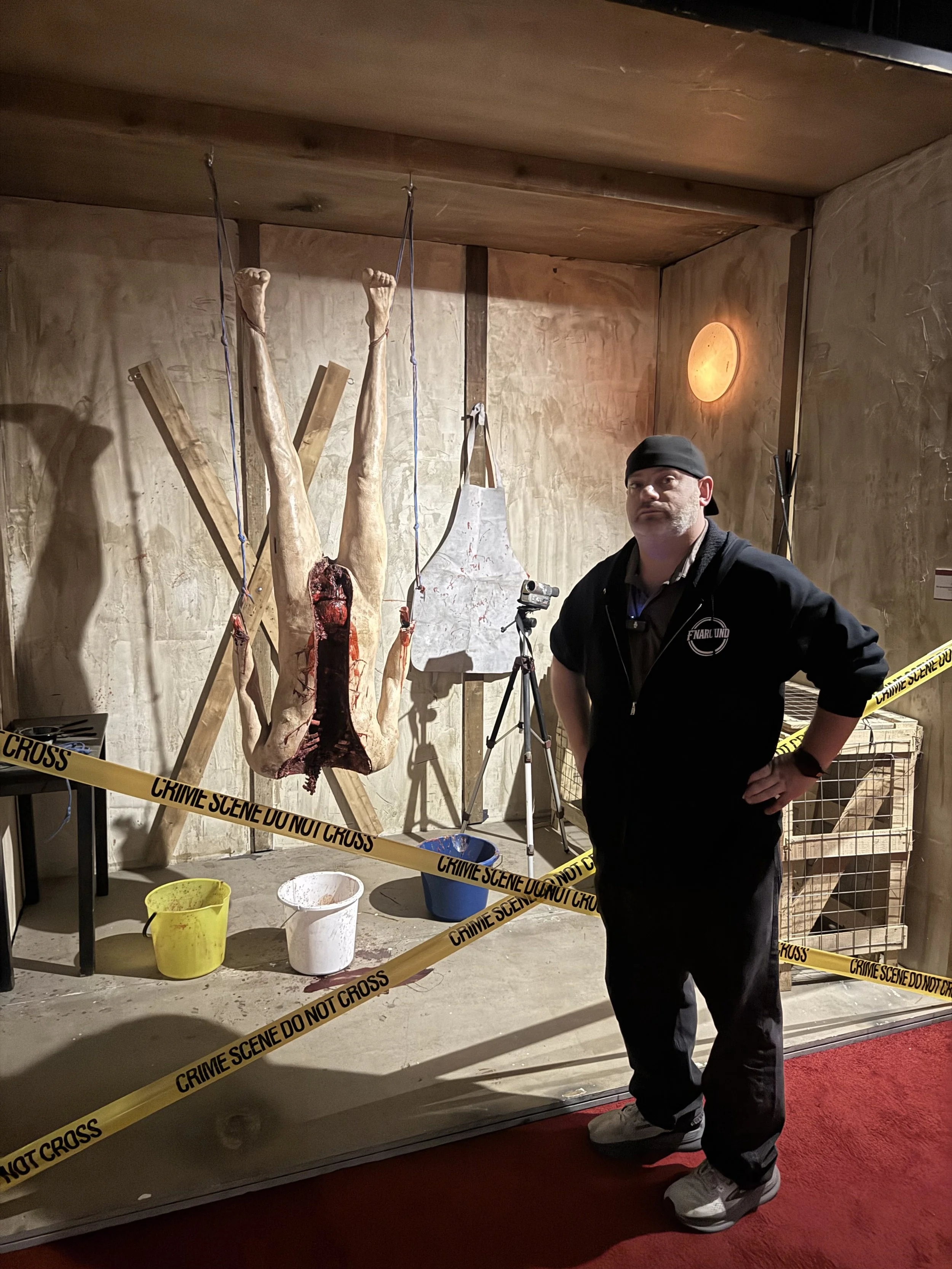
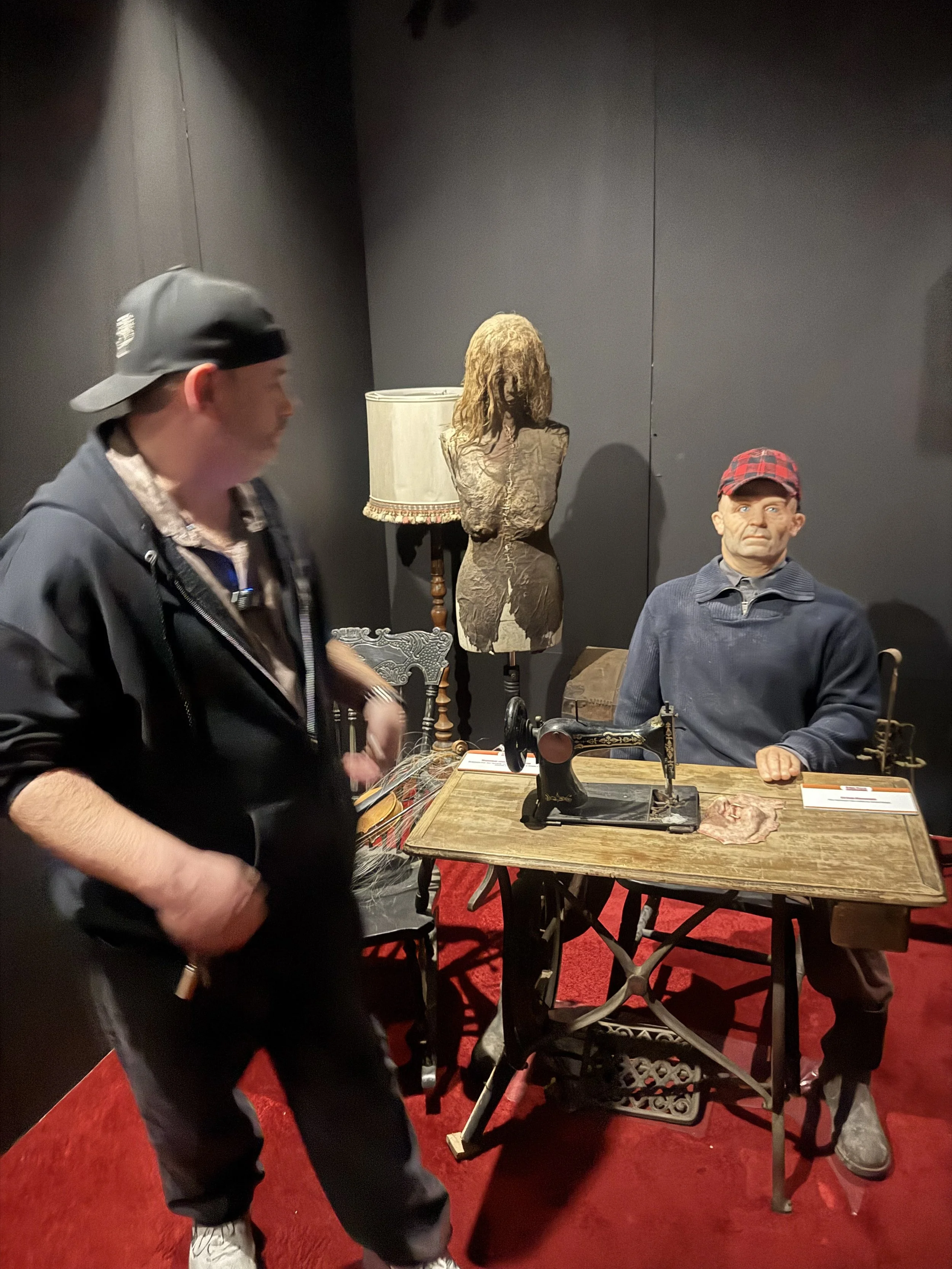
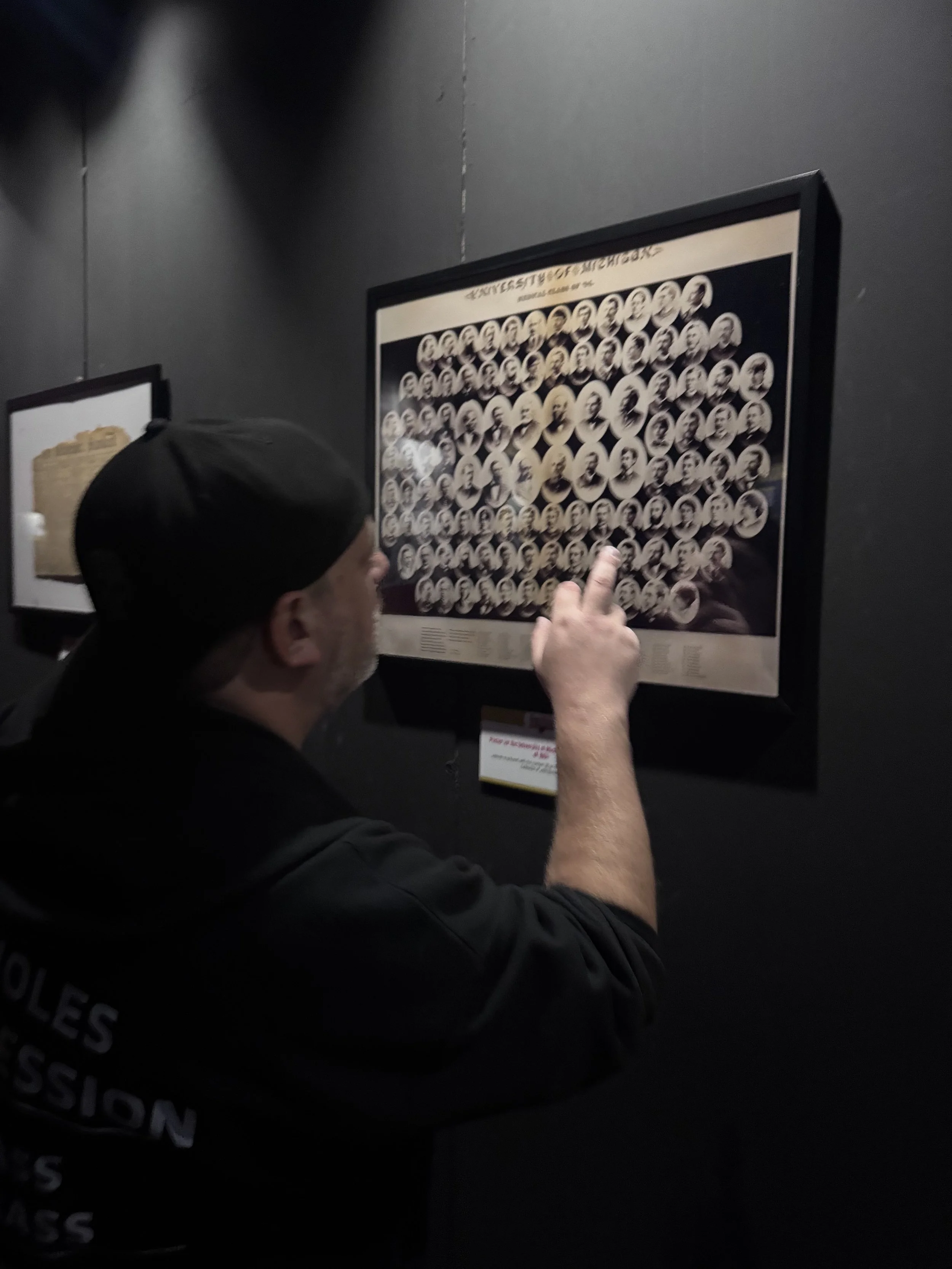
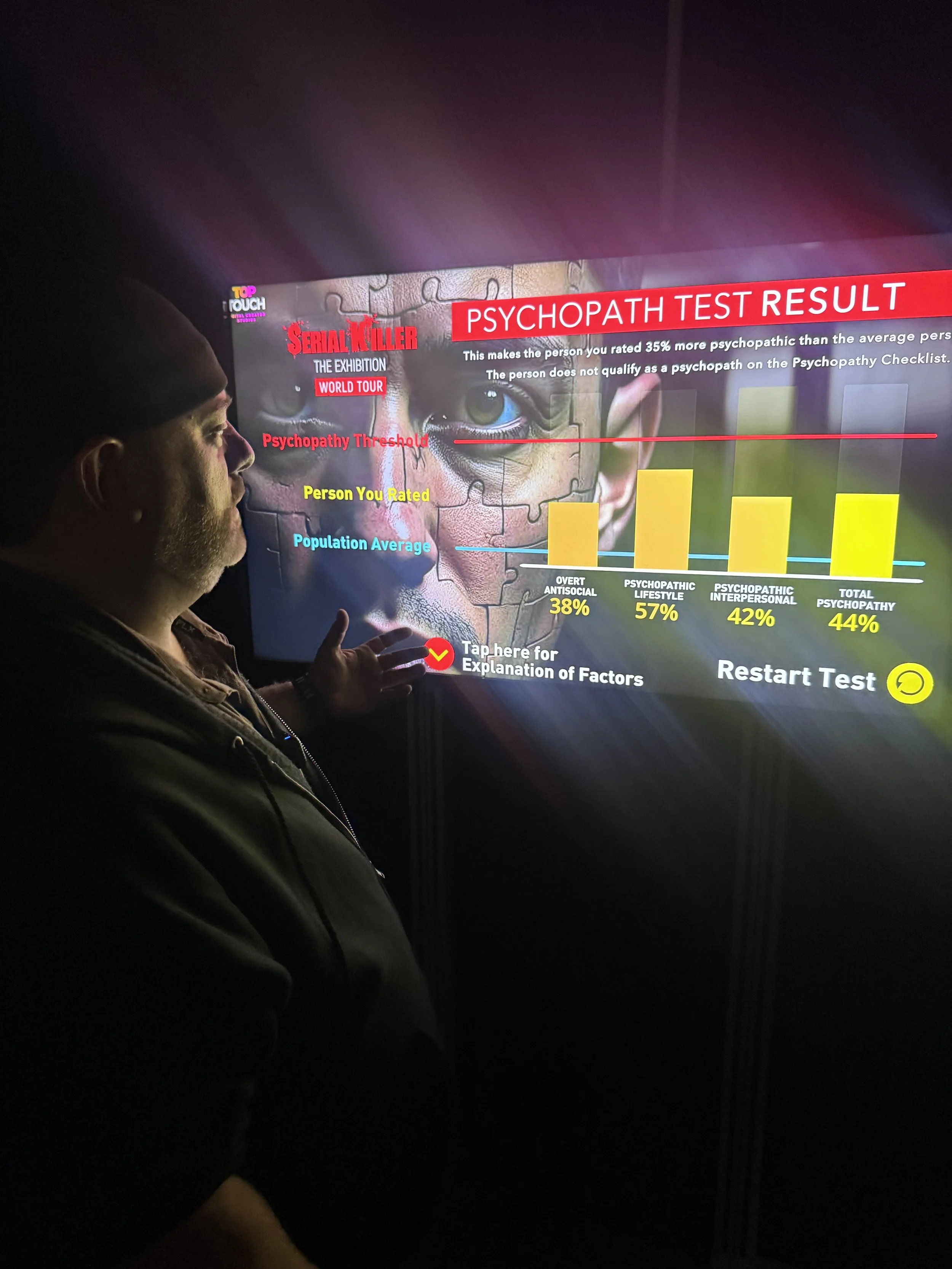
The layout is a big part of the experience. Serial Killer: The Exhibition Chicago is not a line of objects behind glass. Its rooms combine original artifacts with historical context, case files, psychological profiles, forensic evidence and detailed crime-scene recreations. Seven of the rooms are interactive technology spaces, including virtual reality content. QR codes unlock audio narration and background at each stop, and the exhibition is designed to be self-guided, so visitors set their own pace and their own depth.
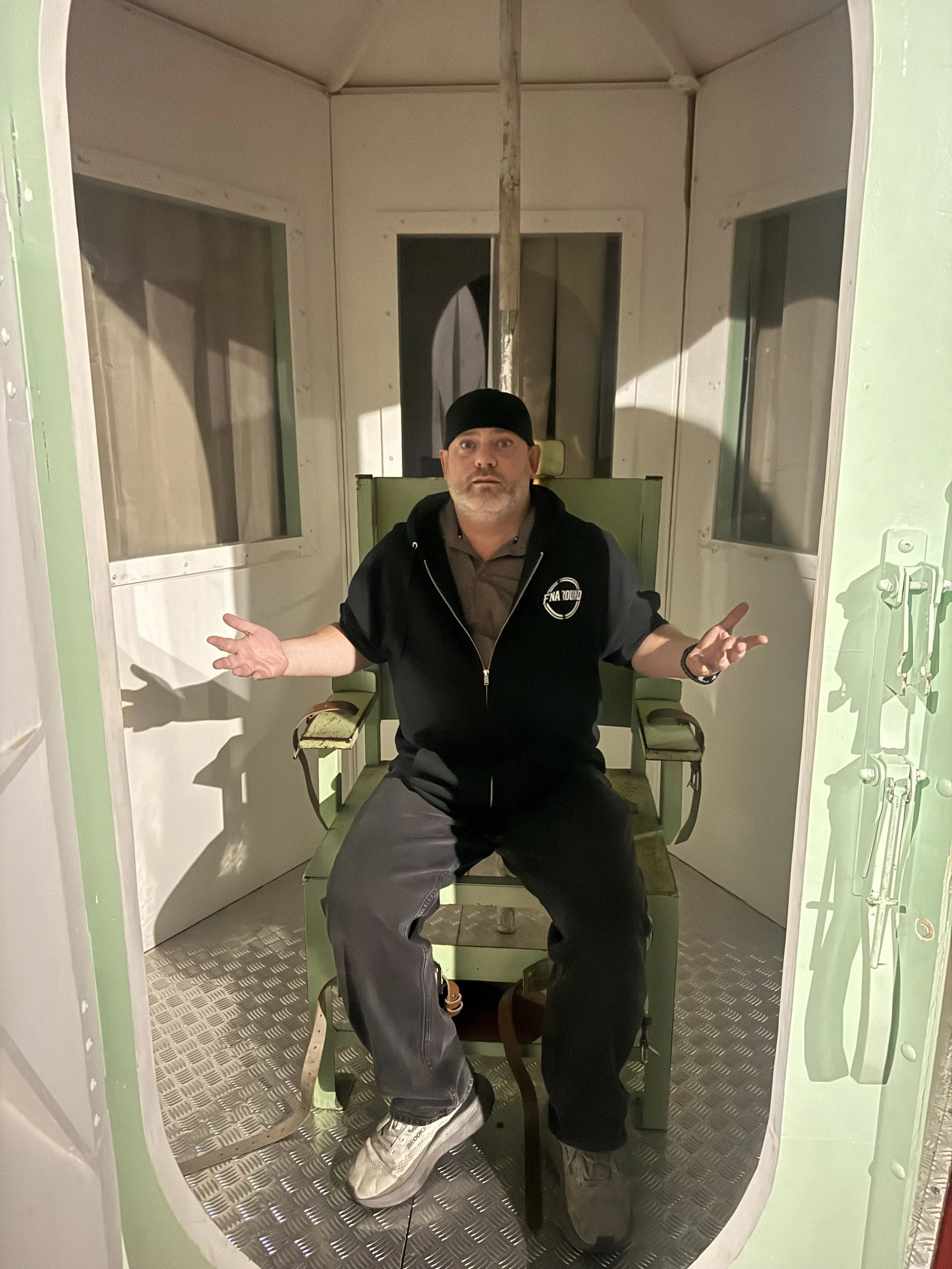
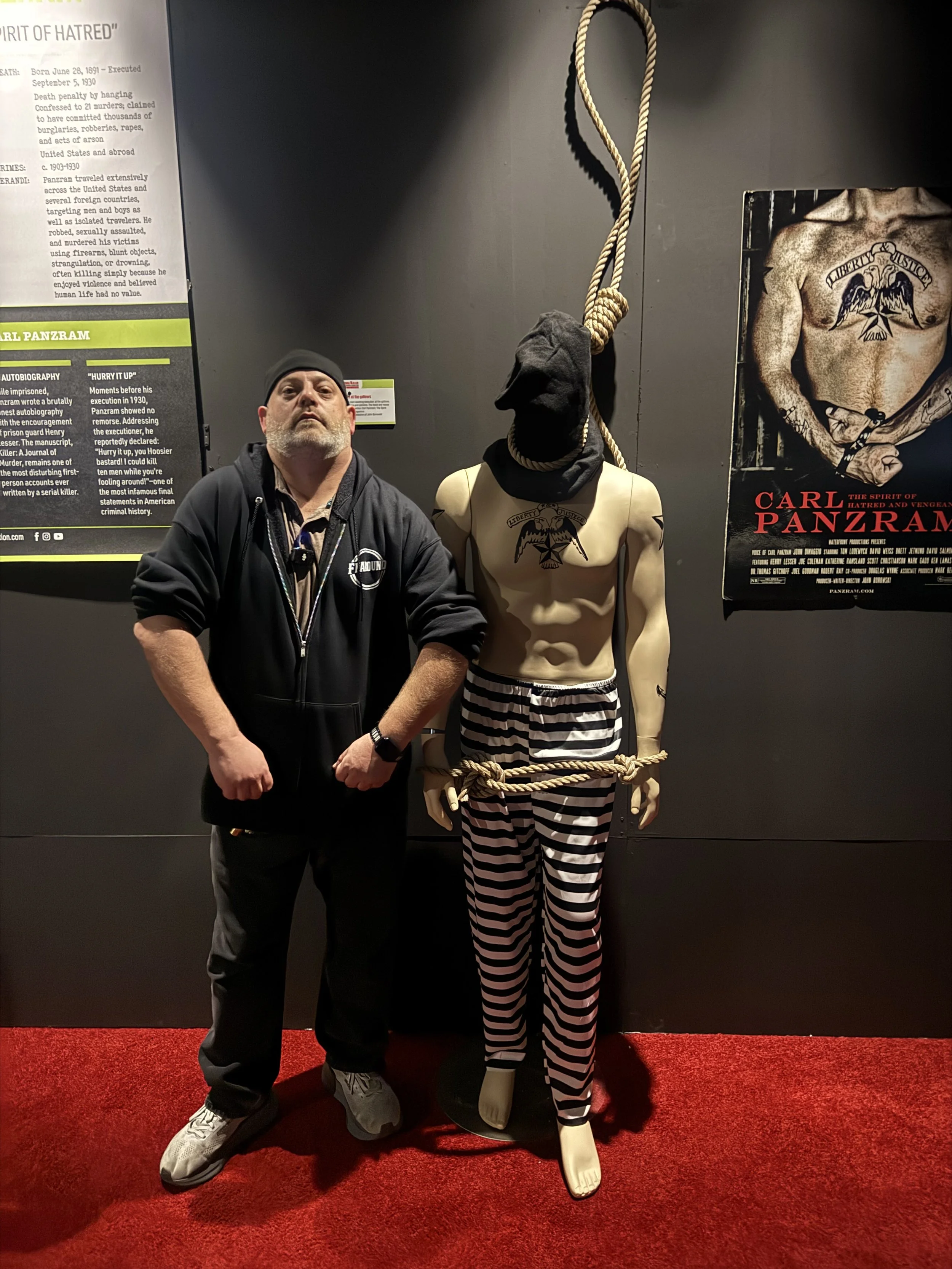
The through-line is investigative, not celebratory. The exhibition traces how criminal profiling, forensic science and historical research changed the understanding of serial crime: how investigators learned to read a scene, link cases across jurisdictions, and build a picture of an offender from evidence and testimony. Themed sections documented across the tour group the material by motive and method, including killer couples, cannibal killers, killing for profit, and lust, domination and control, and a closing section on executions walks through the gas chamber, the electric chair, the lethal-injection chair, and the last meals and last words of the condemned.
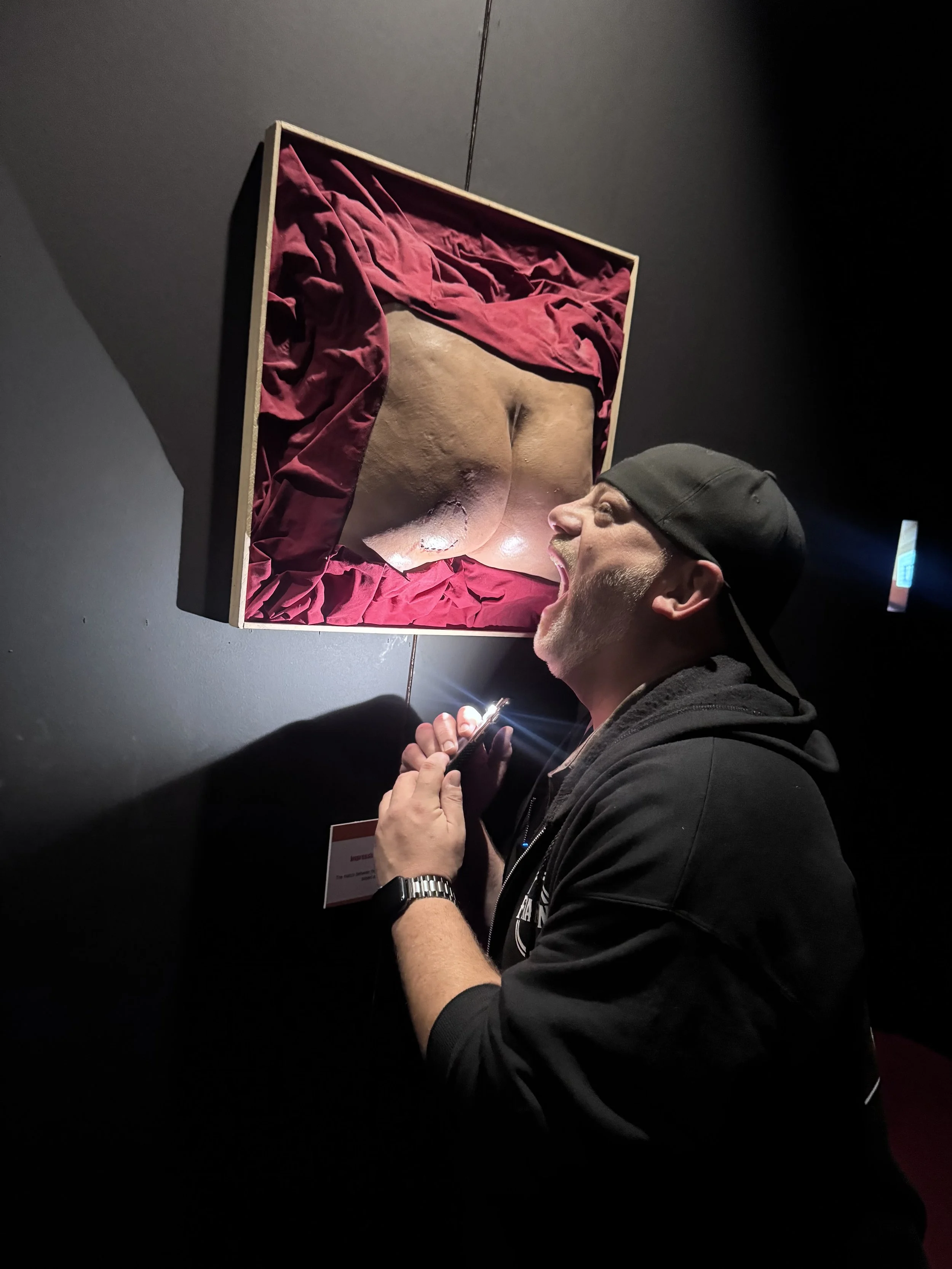
Some material is graphic, and the recreations can be disturbing. That is the nature of the evidence. But the framing stays historical and criminological, closer to a forensic archive than a haunted house, and that restraint is what makes the unsettling parts land.
Chicago's Own Cases Take Center Stage
Every stop on this tour bends toward its host city, and Chicago's version leans hard into the two names inseparable from the city's darkest history, plus a bench of local cases that rarely get museum treatment.
H.H. Holmes and the 1893 World's Fair. The expanded Holmes section places the man associated with the building popularly known as the Murder Castle inside the Chicago of the 1893 World's Columbian Exposition, the fair that drew millions to the city while Holmes operated in Englewood. It is a subject where documented history and a century of lurid retelling tangle easily, and the exhibit's value is context: material to examine, including modern forensic updates from Holmes's 2017 exhumation, so visitors can separate evidence from legend.
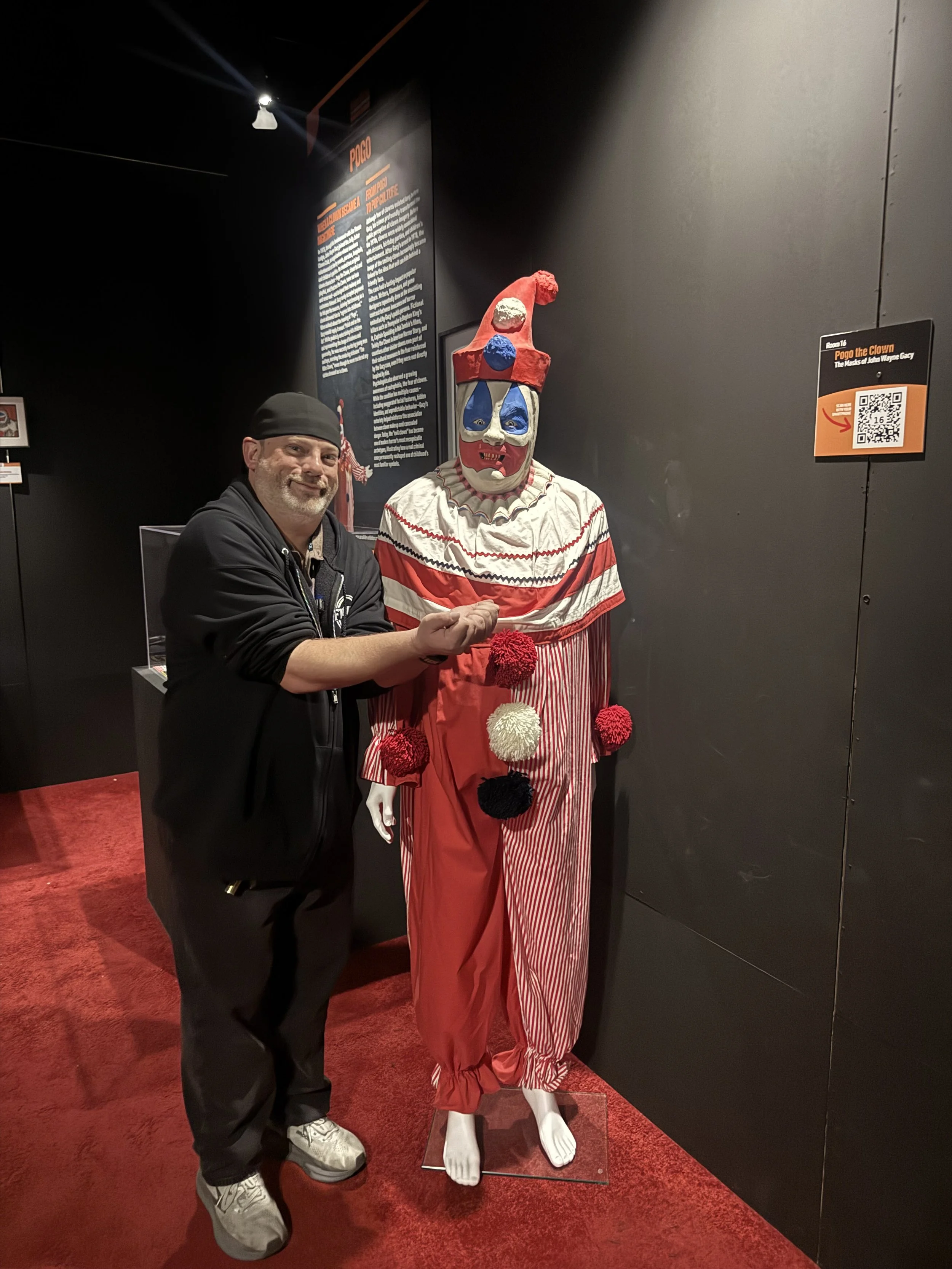
John Wayne Gacy, in depth. The Gacy material is the deepest artifact set in the Chicago show. It includes three original paintings never previously displayed in public, given to his death-row appeals attorney Karen Conti: a coastal landscape with a low-hanging moon and red trees, a personalized birthday landscape, and clown and skull imagery that sits at the intersection of Gacy's public persona and the violence behind it. Alongside the paintings are his Smith-Corona typewriter from death row, its case still bearing his name and inmate number, original letters, a Christmas card, and a signed photograph of Patches the Clown given to Conti on death row. The section also tells the story of Robert Piest, Gacy's final victim, and gives space to the five Gacy victims who remain unidentified, a reminder that this case is still unfinished for families and for the investigators still working to name them.
Richard Speck. The man who murdered eight student nurses in a South Chicago Community Hospital residence in 1966 is featured among the local cases, one of the crimes that defined an era of Chicago fear.
Tillie Klimek, the Black Widow of Chicago. The Polish immigrant poisoner who was said to predict her husbands' deaths in dreams before they died, convicted in 1923, appears as Chicago's own Black Widow, a case from the city's Prohibition-era shadows.
Lester Harrison, the Grant Park Killer. Harrison targeted women in Grant Park in the early 1970s, and his case carries a long legal afterlife in Illinois courts. His inclusion is the kind of deep local cut a touring show usually skips.
Robin Gecht and the Ripper Crew. The satanic Ripper Crew, the early-1980s group led by Robin Gecht, is covered as a Chicago-area case, a reminder that the city's serial crime history did not end with Gacy.
Together, the local sections make Serial Killer: The Exhibition Chicago feel rooted in this city's history rather than assembled as a generic hall of famous names.
The Artifacts That Stop You in Your Tracks
The objects are the argument. Letters, court documents, personal belongings, criminal artwork, photographs and forensic material give visitors physical points of contact with cases they may know only as documentaries. A selection of the most striking artifacts documented in the Chicago installation:
Aileen Wuornos's sneakers. The signed L.A. Gear sneakers Wuornos wore when she was arrested outside a Port Orange, Florida biker bar on January 9, 1991, signed with her prison ID and the note "shoes busted in 1-9-91," and later worn to court. The Wuornos display is among the richest in the show: a letter she wrote to the U.S. Supreme Court, a county jail robe bearing her name, a letter to a childhood friend, a T-shirt from The Last Resort Bar, where she had her last drink before arrest, and a vial containing a portion of her cremated remains.
Jeffrey Dahmer's glasses and Bible. Dahmer's signature glasses, his jailhouse Bible, and a handwritten letter to his grandmother, displayed with material evoking his Milwaukee apartment, close to home for a Chicago audience that watched the case unfold one state away.
Ted Bundy's trash bag scrap. A scrap of a trash bag Bundy used in his assault kits, a small and chilling piece of the kit he carried, alongside documents and other case material.
Richard Ramirez's courtroom tie. The tie Ramirez wore during his roughly 14-month Los Angeles trial has its own dark provenance: it passed from his wife to an Indianapolis museum and was later worn by French killer Nicolas Claux while he worked in a Paris morgue. It has been a permanent part of the exhibition since September 2023. A Ramirez wristwatch also appears in tour materials.
Rodney Alcala's camera, a Chicago exclusive. The Olympus OM-2 camera of the type Alcala used while posing as a fashion photographer between 1975 and 1979. This unit was kept by his sister with undeveloped film, passed to collectors, and is held by the True Crime Collective; its display is exclusive to the Chicago stop.
Anatoly Onoprienko's trophy watch. A Soviet women's wristwatch, one of the trophy watches the Ukrainian killer took from his victims, which he gave to a Russian journalist who befriended him in Berlin in 1989. The journalist later donated it, with a signed prison photo, to the exhibition.
Gary Heidnik's screwdrivers. Tools found hidden in a compartment in the trunk of a Rolls-Royce auctioned in Philadelphia years after Heidnik's arrest, acquired by the exhibition's owners in 2025.
Richard Chase's mummified rat. The rat found in Chase's apartment during the police investigation became part of FBI profiler Robert Ressler's personal collection after Ressler interviewed Chase in prison. Acquired by the exhibition in 2025, it is displayed in Chicago with select Chase letters.
Two typewriters, two islands of paper. Herbert Mullin's prison typewriter, on which he wrote countless letters often signed "a human sacrifice, Herb Mullin," and Dennis Nilsen's Nakajima typewriter, the last he used at HM Prison Full Sutton, bought in 2015 and used until his death in 2018. Set against Gacy's Smith-Corona, the machines form an accidental trilogy: killers explaining themselves, endlessly, to anyone who would read.
The Moors murderers' paper trail. A bookmark signed by Ian Brady, a 1999 letter Brady wrote from Ashworth Hospital, and the Bible he kept in his room despite his anti-religious views, reportedly calling it "the devil's masterpiece," with a preserved 1986 front page of The Sun capturing the public anger that still surrounds Myra Hindley more than two decades after the murders.
Ed Gein's lair, recreated. A life-sized recreation of Gein's lair anchors the material on the Plainfield case that seeded Psycho, The Texas Chain Saw Massacre and Buffalo Bill.
And the historic anchors. Evidence and reconstructions tied to Jack the Ripper, the exhibition's starting point for modern serial crime; documents from Italy's unsolved Monster of Florence case; artifacts connected to Issei Sagawa, who killed and cannibalized a woman in Paris; items connected to Dennis Rader, the BTK killer, and to Charles Manson; and, per Fever's Chicago page, the saw used by Robert Berdella, the Kansas City Butcher.
Every Killer in the Exhibition: The Most Complete Public Roster
The exhibition advertises stories connected to more than 150 serial killers from 25 countries, but the organizers have never published a complete roster, and displays rotate between stops. The table below is the most complete public list we could build: every name and case tied to the Chicago installation by exhibition materials or Chicago coverage, followed by a separate list of names documented in the traveling collection at its previous stop, the U.S. debut in Atlanta, whose presence in Chicago has not been individually confirmed.
Name or case (confirmed for Chicago)
Connection identified in public materials
H.H. Holmes
Expanded Chicago section; Murder Castle and the 1893 World's Fair; 2017 exhumation forensics
John Wayne Gacy
Expanded Chicago section; three never-before-displayed paintings, death-row typewriter, letters, Christmas card, Patches the Clown photograph; Robert Piest and the five unidentified victims
Richard Speck
Featured Chicago case (1966 student nurse murders)
Tillie Klimek
Featured Chicago case; the Black Widow of Chicago
Lester Harrison
Featured Chicago case; known as the Grant Park Killer
Robin Gecht / Ripper Crew
Featured Chicago-area case and group
Jack the Ripper
Historic anchor case; evidence and reconstructions (offender never identified)
Jeffrey Dahmer
Glasses, jailhouse Bible, letter to his grandmother, apartment material
Ted Bundy
Trash bag scrap from his assault kits; documents and case material
Aileen Wuornos
Signed arrest sneakers, Supreme Court letter, jail robe, personal letters, Last Resort Bar T-shirt, cremated remains vial
Ed Gein
Case material and a life-sized recreation of his lair
Dennis Rader, "BTK"
Items connected to Rader identified in Chicago coverage
Richard Ramirez
Courtroom tie worn through his Los Angeles trial; wristwatch in tour materials
Rodney Alcala
Olympus OM-2 camera, exclusive to the Chicago stop
Anatoly Onoprienko
Trophy wristwatch taken from a victim, with signed prison photo
Gary Heidnik
Screwdrivers hidden in the trunk of his auctioned Rolls-Royce
Richard Chase
Mummified rat from his apartment (ex-Robert Ressler collection); select letters
Herbert Mullin
Prison typewriter
Dennis Nilsen
Final prison typewriter, used until his death in 2018
Ian Brady and Myra Hindley
Signed bookmark, 1999 Ashworth Hospital letter, Brady's Bible, 1986 Sun front page
Robert Berdella
Saw used by the Kansas City Butcher (per Fever's Chicago page)
Issei Sagawa
Artifacts connected to the Paris killing
Charles Manson
Related case material (Manson is generally described as a cult leader, not a serial killer)
Monster of Florence
Case documents and evidence (the offender was never conclusively identified)
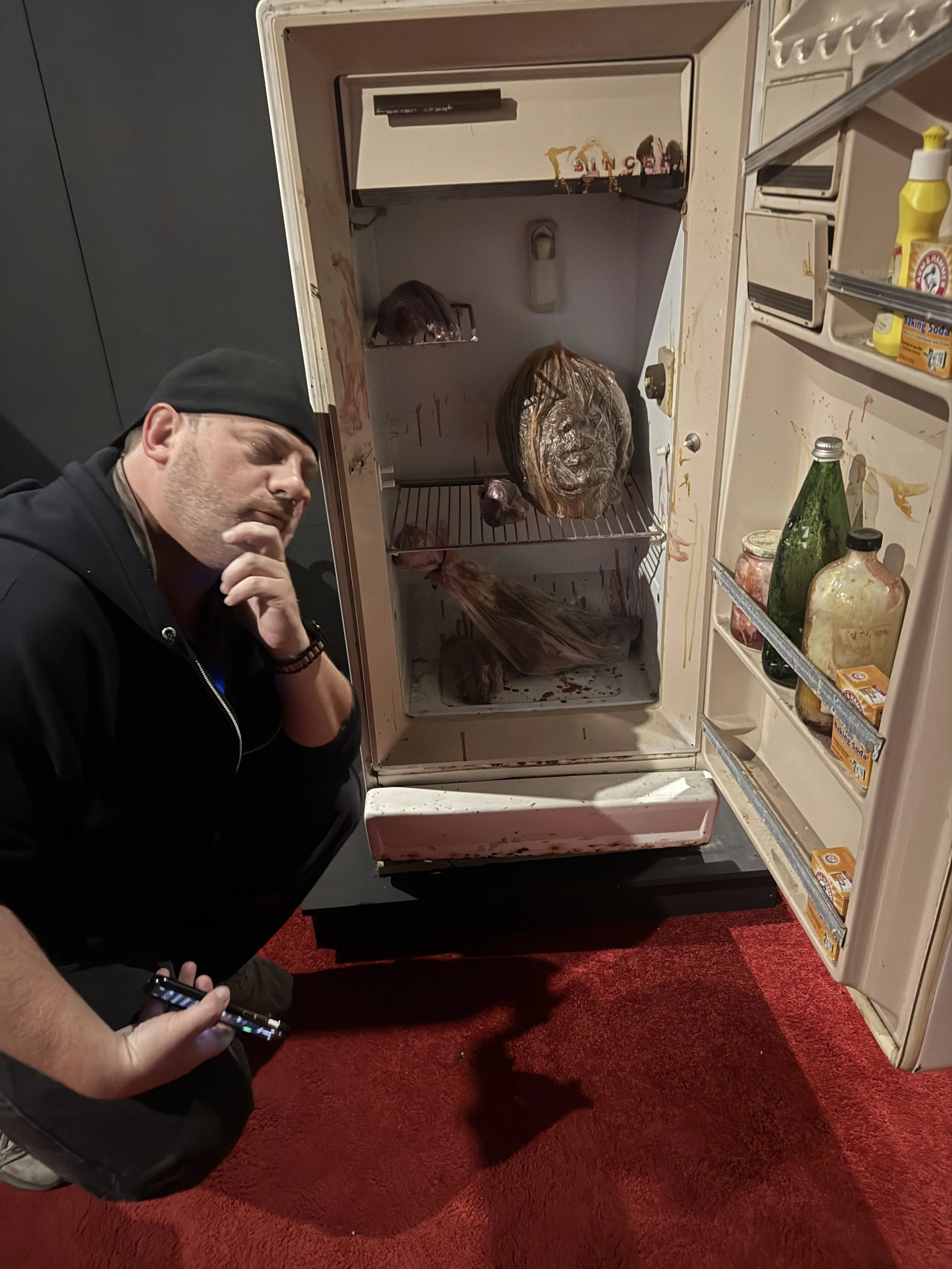
Documented in the traveling collection (Atlanta U.S. debut, February 2026; not individually confirmed for Chicago): Edmund Kemper (personal items); Armin Meiwes (his freezer, plus a reproduction of his death scene); Patrick Kearney, the Trash Bag Killer (materials billed as world exclusives); Danny Rolling (hand-drawn artwork); the Zodiac Killer case; and a section of more than 40 American cases that named Wayne Williams, Howard Belcher, Gary Bowles and Glen Rogers, among others. The Paris edition (February to June 2025) spotlighted a French section: Marcel Petiot, the murdering doctor of Paris; Guy Georges, the Beast of the East; and Michel Fourniret and Monique Olivier, the Ogre and the Witch of the Ardennes, with historical French cases Gilles de Rais and Joseph Vacher covered in the exhibition's expert material. The London edition (September 2024 to January 2025) gave Nicolas Claux a dedicated cabinet with his self-portrait, a necklace he constructed from human bones in 1992, and a personal letter of verification.
Two cautions belong with any roster. First, the collection rotates, so a name documented on tour may not be on the floor on a given day in Chicago. Second, some of the most requested names in true crime do not appear in any public material for this exhibition that we could find. If a name is not in the table, we could not verify it, and we will update this list as new coverage and exhibition materials appear.
The Victims Are Not an Afterthought
The exhibition is designed to hold attention, and there is plenty to photograph. But its strongest choices keep the victims in view. A memorial wall names the dead. The Gacy section lingers on Robert Piest and on the five victims who remain unidentified, whose families are still waiting for an ending. The organizers frame the whole experience around remembrance, and the official materials return to the point repeatedly: these cases are history, and history has names on both sides of the evidence bags. Every killer's room also carries a list of that killer's victims, and the memorial room that closes the tour, with victims' names, photographs and ages, has been called the most important room of the exhibition.
That balance is what separates Serial Killer: The Exhibition Chicago from a cabinet of curiosities. It is possible to study the evidence, the investigative methods and the psychology at work in these cases, and still leave thinking about the people whose lives were taken, and the communities that absorbed the loss. Chicago gets a pointed reminder on October 30, when attorney Karen Conti, who represented Gacy during his final death-row appeals and sits on the exhibition's Scientific Committee, appears at the exhibition from 3 to 7 p.m. for a meet-and-sign included with admission. Conti contributed an original, previously unpublished article on the Gacy case to the exhibition's official catalogue.
A Traveling Exhibition With a Long History
Serial Killer: The Exhibition is produced by the Italian exhibition company Italmostre, directed by Giancarlo Guerra, who describes the approach as documentary and museum-based: "It's not about exploiting. Curiosity is a normal part of humankind." The collection was assembled over more than a decade, over 15 years by the organizers' fuller account, in collaboration with collectors, historians, criminologists and forensic specialists worldwide; the official Chicago materials put the collaborator count at more than 100. Contributors include documentarian John Borowski and Florida clinical psychologist Dr. Bill Kimberlin, who has spent some 30 years talking with death-row inmates and personally lent nearly 200 items, letters and artwork from condemned prisoners among them. Attorney Karen Conti sits on the exhibition's Scientific Committee. The tour sold out venues in Milan and Rome in 2023, then played London's The Vaults (September 21, 2024 to January 5, 2025), Paris's Galeries Montparnasse (February 21 to June 22, 2025) and Berlin (from September 6, 2025), drawing more than 500,000 visitors worldwide by the organizers' count. Each European stop carried roughly 1,000 plus artifacts; the show more than doubled by the time it crossed the Atlantic.
The U.S. debut came in Atlanta, where the exhibition opened February 7, 2026 at Pullman Yards. Chicago, which opened September 5, 2026, is the second U.S. stop, and its version expands the shared international collection with the deeper Holmes and Gacy material and Chicago exclusives like the Alcala camera. That touring history matters for visitors: each city gets the same core collection, re-cut with local cases and local history.
Serial Killer: The Exhibition Chicago FAQ
Where is Serial Killer: The Exhibition in Chicago? At Cinespace Chicago Film Studios in North Lawndale. The visitor entrance is 2428 W. 15th St., Chicago, IL 60608.
How long is Serial Killer: The Exhibition in Chicago? It opened September 5, 2026 and is scheduled to run through January 24, 2027. It is closed Mondays and Tuesdays.
How much are tickets? General admission starts at $28 through Fever, and a box office operates on site. Tickets can sell out for a session, so booking ahead is recommended. Date changes are allowed up to 48 hours in advance; refunds are not offered.
How long does the visit take? Plan on 90 to 120 minutes. The exhibition is self-guided, so readers and true-crime devotees can move slower; there is a lot of text worth reading.
Are the artifacts real? Yes. The organizers describe the world's largest private collection of authentic serial killer artifacts, more than 2,100 objects in the Chicago installation, assembled over 15 years from more than 100 collectors, historians and institutions. Crime-scene elements and Gein's lair are recreations, and the exhibition labels its material accordingly.
Which serial killers are in the Chicago exhibition? More than 150 killers' stories are represented in the collection overall. Names confirmed for Chicago in public materials include H.H. Holmes, John Wayne Gacy, Richard Speck, Tillie Klimek, Lester Harrison, the Ripper Crew, Jeffrey Dahmer, Ted Bundy, Aileen Wuornos, Ed Gein, Dennis Rader, Richard Ramirez, Rodney Alcala, Richard Chase, Gary Heidnik, Herbert Mullin, Dennis Nilsen, Ian Brady and Myra Hindley, Robert Berdella, Issei Sagawa and Jack the Ripper. See the roster above for the full list and sourcing.
Is the exhibition graphic or scary? It is not a haunted house and there are no performers or jump scares. Some evidence and recreations are graphic, and the subject matter is disturbing by nature. It is recommended for ages 14 and up and is described as not suitable for sensitive audiences.
Can I take photos? Yes, photography for personal use is allowed. Video recording may be restricted.
Is there parking and transit? Valet parking at the entrance costs $23 per vehicle, with a lot at 2406 W. 15th St. The CTA Pink Line (Damen or California stations) and buses 18, 49, X49 and 94 serve the area.
Is the venue accessible? Yes. The venue is accessible to visitors with reduced mobility, carers can request a free pass at the entrance, QR codes provide audio narration for visually impaired visitors, and seating is available along the route.
Is food available? Not inside the exhibition. Restaurants, cafes and convenience stores are a short drive from Cinespace.
Our Verdict
For visitors interested in Chicago history, criminal investigation, or the way true-crime stories get told, Serial Killer: The Exhibition Chicago is a substantial and thought-provoking visit, closer to a forensic archive with a city's ghosts in it than to a novelty attraction. Go ready to learn, take your time, bring headphones for the QR narration, and give the victims' stories as much attention as the killers' names.
Serial Killer: The Exhibition runs at Cinespace Chicago Film Studios through January 24, 2027. Tickets and current hours: serialkillerexhibit.com/chicago.
Editorial Note on Sources
F'nAround attended the exhibition on October 22, 2026. This article also draws on the exhibition's official site and FAQ, Choose Chicago, Fever, the exhibition's Evepla posts, FOX 32 Chicago, the Chicago Sun-Times, Smithsonian Magazine, Secret Chicago, HeyChicago, Wisconsin Frights, Stories From The 78 and Splash Magazines. The organizers have not published a complete roster of the 150-plus subjects; the roster above is the most complete list verifiable from public materials as of October 23, 2026, and is labeled where a name is confirmed for Chicago versus documented elsewhere on the tour. Figures vary slightly by source: the official site cites 2,000 plus artifacts while Chicago materials cite 2,100 plus, and floor-space figures range from 21,000 to 27,000 square feet, with 26,000 the most commonly reported. This page will be updated as further names and artifacts are confirmed.