Dick Tracy Review: How Spider-Noir Sent Me Back to One of the Most Visually Brilliant Comic Book Movies Ever Made
Dick Tracy Review: How Spider-Noir Sent Me Back to One of the Most Visually Brilliant Comic Book Movies Ever Made
Sometimes a great show sends you down a rabbit hole.
That happened to me after finishing Spider-Noir.
Watching Nicolas Cage’s detective navigate a stylized world of shadows, crime, and comic-book storytelling made me want to revisit another visual masterpiece that doesn’t get nearly enough attention today:
Dick Tracy.
The 1990 film directed by and starring Warren Beatty may be one of the most overlooked comic-book adaptations ever made.
And after rewatching it, I’m convinced modern audiences don’t appreciate just how far ahead of its time it was.
Before Marvel built cinematic universes.
Before Christopher Nolan made Batman gritty.
Before Sin City.
Before Watchmen.
Before Spider-Verse.
There was Dick Tracy.
And it looked like nothing else Hollywood had ever produced.
A Living Comic Strip.
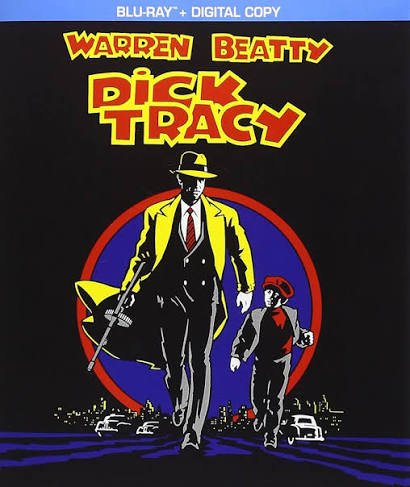
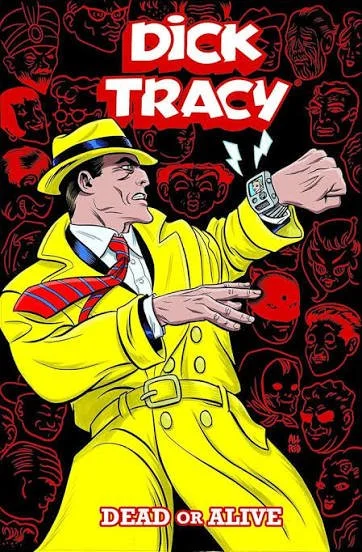
The first thing that jumps out when rewatching Dick Tracy is the color.
Not just colorful.
Comic-strip colorful.
The film intentionally limits itself to a small palette of bold primary colors that make every frame look like a newspaper comic panel brought to life.
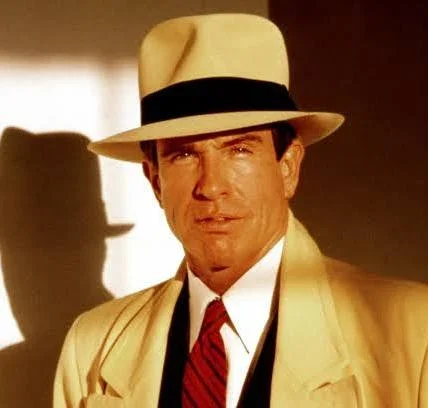
The bright yellow coat.
The bold reds.
The deep blues.
The exaggerated villains.
Watching Spider-Noir’s color version immediately reminded me of Dick Tracy.
Both productions understand something many comic adaptations forget:
Don’t hide the source material.
Celebrate it.
Spider-Noir embraces the visual language of noir comics.
Dick Tracy embraces the visual language of newspaper comics.
The result is that both feel unique rather than trying to look like every other superhero project.
The Cast Is Absolutely Ridiculous.
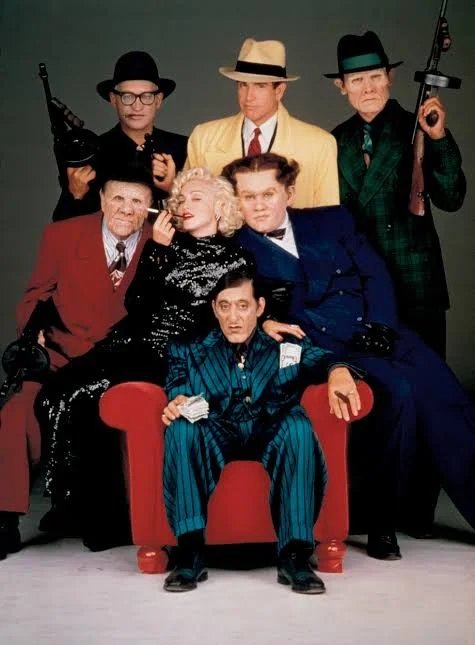
Looking at the cast today feels almost impossible.
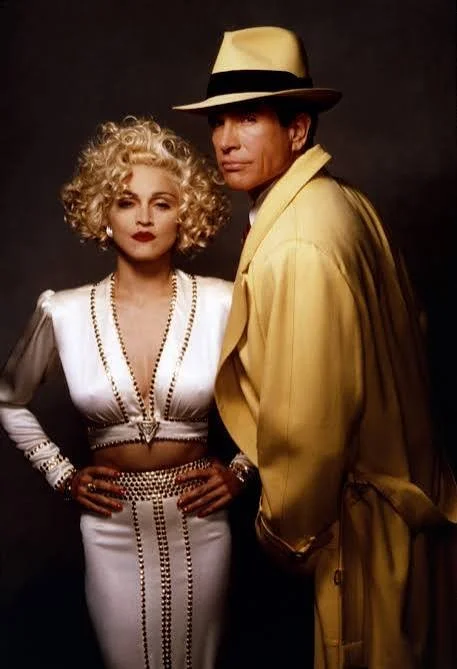
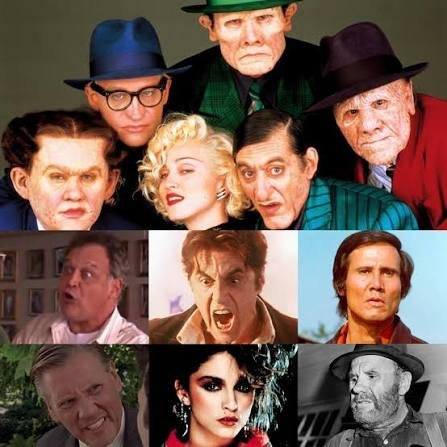
Warren Beatty as Dick Tracy.
Al Pacino as Big Boy Caprice.
Madonna as Breathless Mahoney.
Dustin Hoffman as Mumbles.
Kathy Bates as Mrs. Green.
Dick Van Dyke as D.A. Fletcher.
James Caan as Spud Spaldoni.
Paul Sorvino as Lips Manlis.
Mandy Patinkin as 88 Keys.
Charles Durning as Chief Brandon.
Seymour Cassel as Sam Catchem.
William Forsythe as Flattop.
Colm Meaney.
Marshall Bell.
Estelle Parsons.
Catherine O’Hara.
Henry Silva.
And that’s before you get into all the smaller appearances and character actors hidden beneath layers of makeup.
It’s one of those casts where every few minutes another Hollywood legend walks onto the screen.
The Villains Steal the Show.
As much as Beatty anchors the movie, the real stars are the villains.
The makeup work remains astonishing even by modern standards.
Flattop.
Pruneface.
The Brow.
Mumbles.
The Rodent.
The entire rogues gallery looks like Chester Gould’s original comic strips somehow escaped the newspaper page and entered reality.
Al Pacino’s performance as Big Boy Caprice is pure scenery-chewing madness in the best possible way. It makes his Dunkaccino spoof for a Dunkin’ Donuts ad in the Adam Sandler movie Jack and Jill look normal.
It’s loud.
It’s ridiculous.
It’s completely over the top.
And it works perfectly.
The Warren Beatty Rabbit Hole.
Then I made the mistake of researching Dick Tracy.
And that turned into an entirely different story.
One of the most fascinating things I discovered is that Warren Beatty has spent decades protecting the film and television rights to Dick Tracy.
Beatty acquired the rights in the 1980s and produced the 1990 film.
When questions arose regarding ownership and rights reversions, Beatty famously continued creating unusual Dick Tracy television specials and appearances to maintain active use of the property.
One special aired in 2010.
Another appeared in 2023.
Imagine loving a character so much that every decade or so you put on the yellow coat, become Dick Tracy again, and remind everyone the detective is still alive.
That’s not normal Hollywood behavior.
That’s commitment.
And honestly?
I respect it.
The more I researched, the more I realized Beatty wasn’t just making a movie.
He became one of the long-term caretakers of the character.
Who could you see doing this for a character?
I picture it for Ryan Reynolds as Deadpool.
The Tribune Connection.
Dick Tracy originated in 1931 as a newspaper comic strip created by Chester Gould and distributed through the Chicago Tribune syndication network.
For decades, the square-jawed detective was one of the most recognizable comic characters in America.
Long before comic-book movies dominated theaters, Dick Tracy was already a cultural icon appearing in newspapers, radio programs, television series, movies, merchandise, and countless adaptations.
That history is part of what makes Beatty’s stewardship of the property so interesting.
He wasn’t protecting a forgotten character.
He was protecting a piece of American comic history.
The F’nVerdict
Critics often say Dick Tracy is style over substance.
Maybe.
But what style.
The movie is gorgeous.
The production design is incredible.
The makeup effects still hold up.
The cast is stacked with legends.
Danny Elfman’s score is fantastic.
And every frame looks like somebody turned a Sunday newspaper comic strip into a living painting.
If Spider-Noir reminded me of anything, it reminded me that comic-book adaptations don’t have to look realistic to be good.
Sometimes the best thing a comic-book movie can do is look like a comic book.
Dick Tracy understood that in 1990.
Thirty-six years later, most studios are still trying to catch up.
Spider-Noir sent me back to Dick Tracy.
And Dick Tracy reminded me that some of the most creative comic-book movies were made long before Hollywood figured out superheroes could make billions.
I still remember my Dick Tracy watch… do you?