LA28 Olympic Tickets: The $28 Promise vs. The Reality of Access
LA28 Olympic Tickets: The $28 Promise vs. The Reality of Access
The Los Angeles, California 2028 Olympic Games ticketing process for the United state of America hosting of the Olympic and Paralympic Games.
There’s something almost nostalgic about the idea of Olympic tickets.
You hear “$28 seats” and your brain immediately goes somewhere simple. Affordable. Accessible. A global event that still feels like it belongs to everyone.
So naturally, when the 2028 Summer Olympics ticket drops opened, we jumped in.
Twice.
Because if you’ve learned anything from modern ticket systems, it’s this: the first attempt is never the real attempt. Have you seen the news? Seen Ticketmaster and live nation with the rulings in court?
The Entry: Smooth, Clean, Efficient
To their credit, the system itself works.
The queue moves quickly.
The interface is clean.
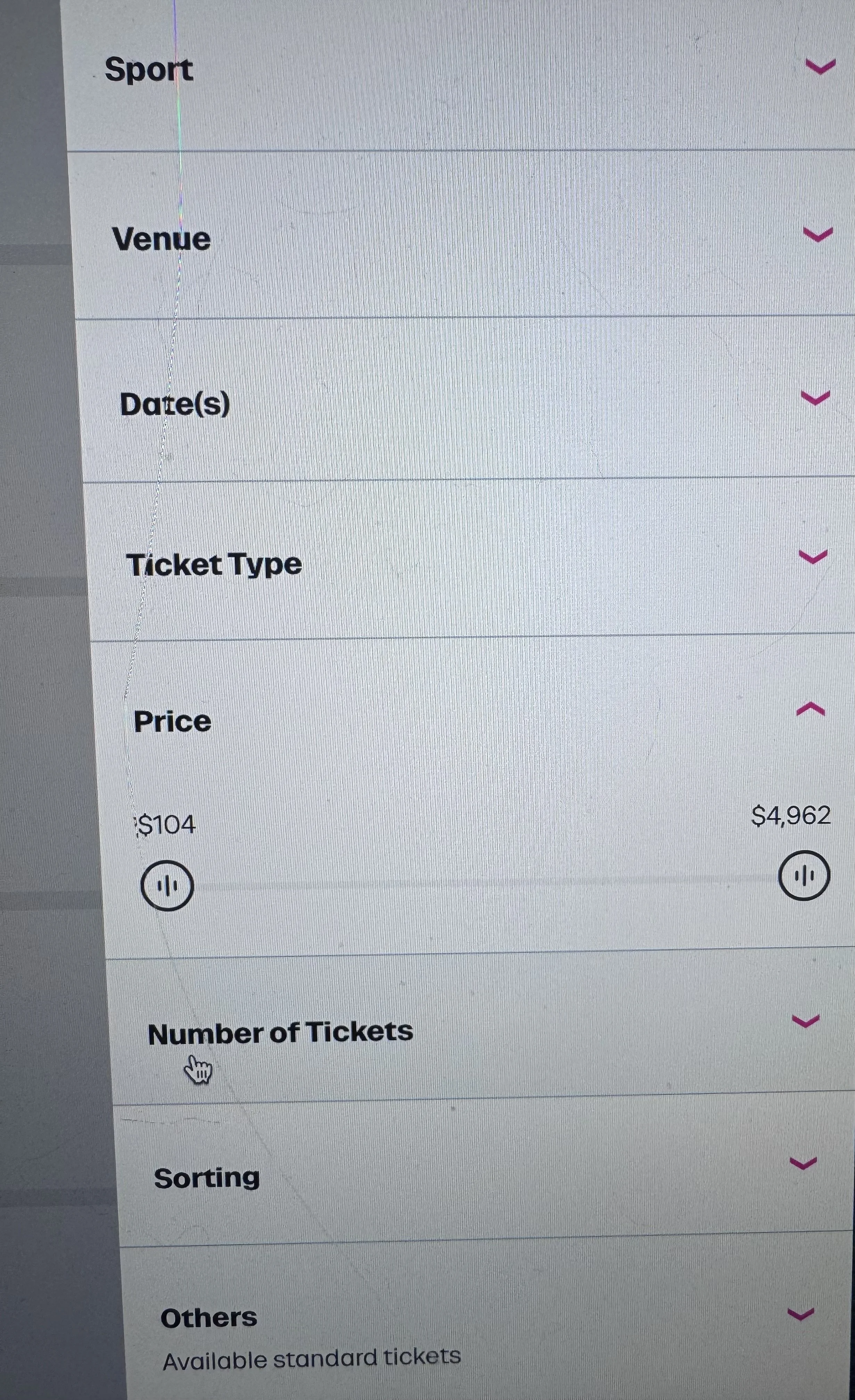
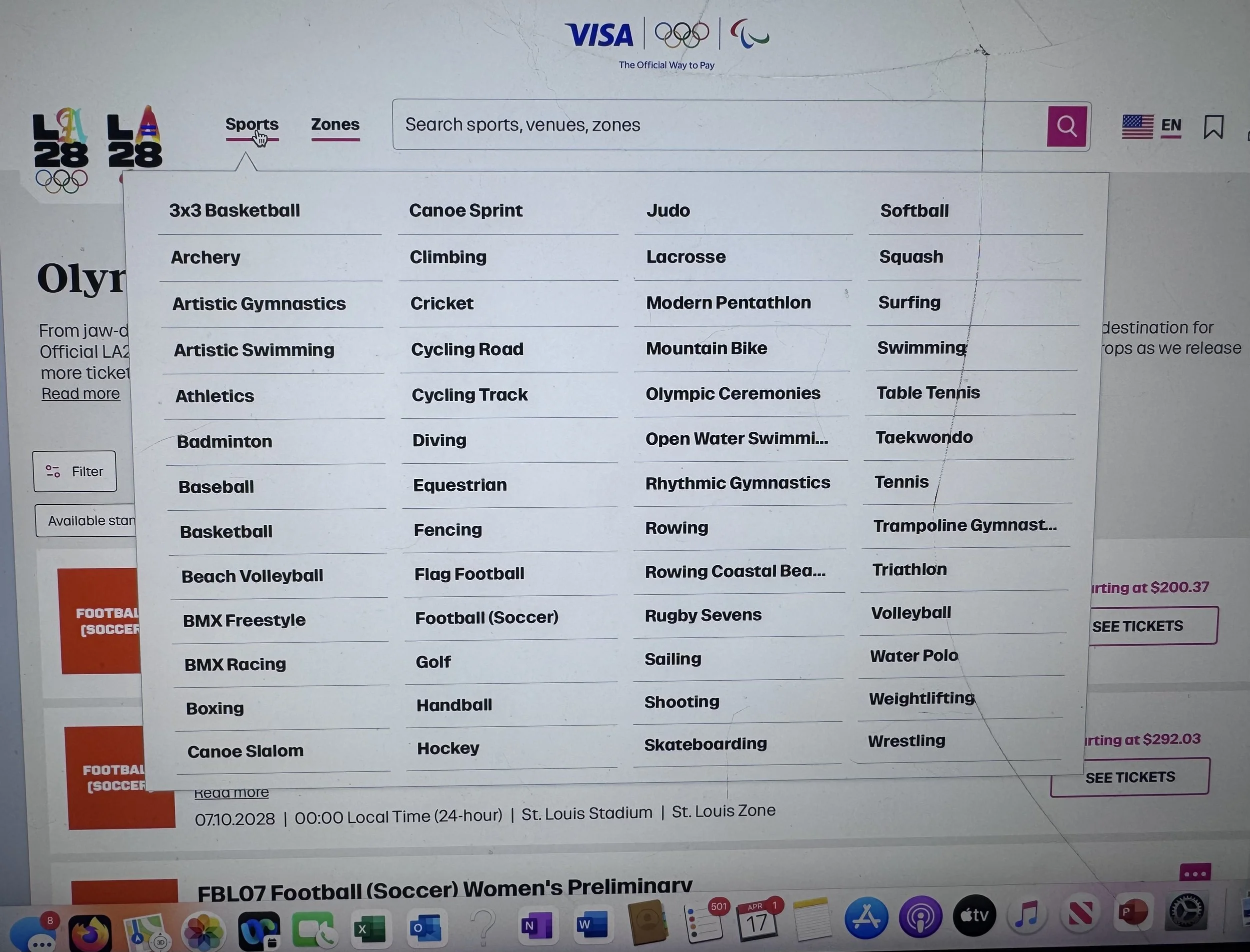
Filters are intuitive.
From a pure UX standpoint, it’s exactly what you’d expect from a global event backed by major infrastructure and sponsorship.
No chaos. No crashes. No Ticketmaster-level meltdown.
You get in, you browse, you select.
That part feels… controlled.
The Reality: Where Did Everything Go?
And then you start clicking.
And clicking.
And clicking.
The $28 tickets? Gone.
Most major events? Gone.
Anything remotely recognizable? Gone.
Opening ceremony? Gone.
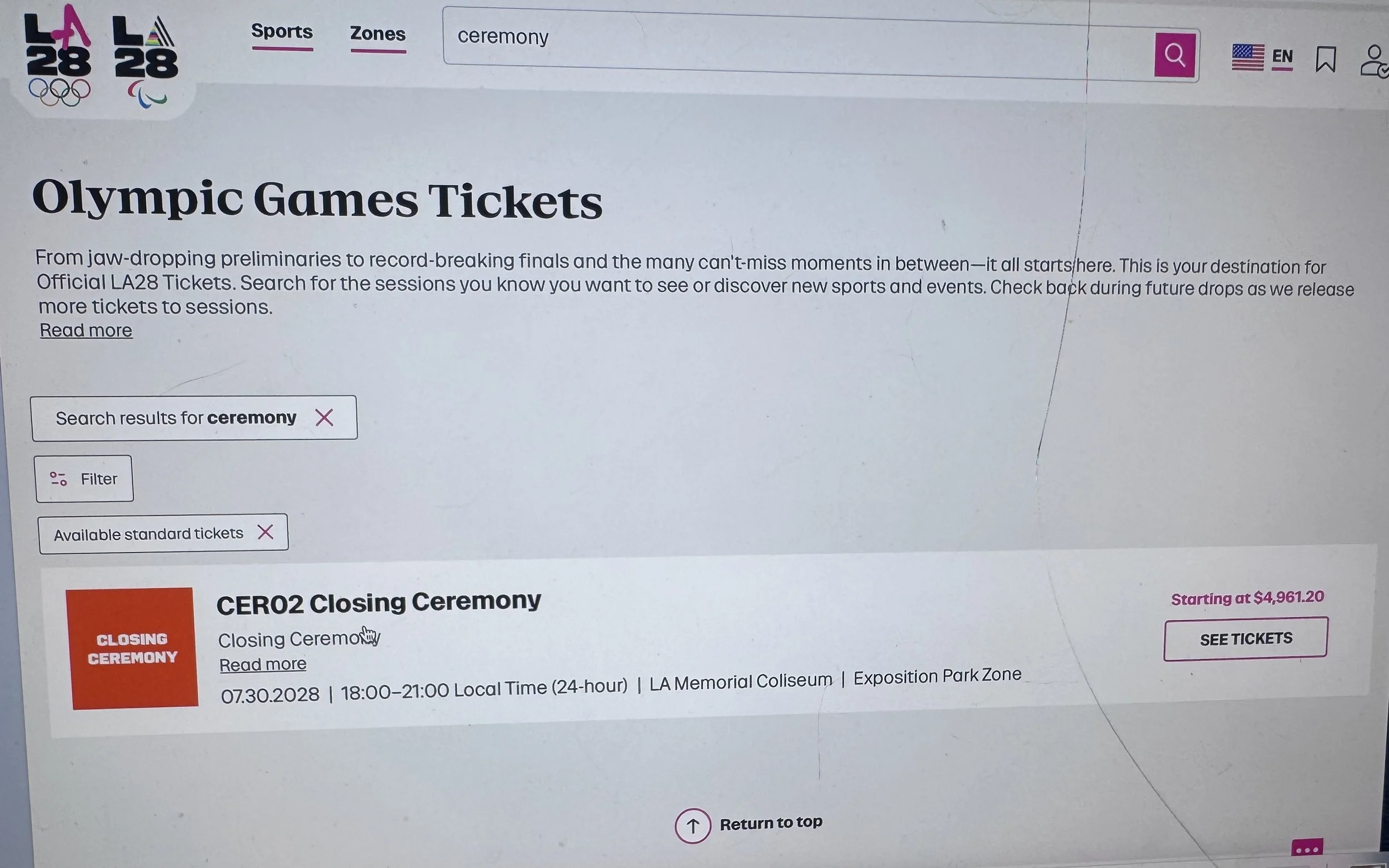
Closing ceremony? Gone… unless you’re comfortable starting around $5,000.
What’s left isn’t really a selection.
It’s what remains after selection has already happened.
The Psychological Play: Access Without Availability
This is where it gets interesting.
Because the system gives you access to the platform, but not necessarily access to the product.
You’re inside. You’re browsing. You’re participating.
But the outcome is largely predetermined.
It creates a very specific psychological loop:
• You feel early… but you’re late
• You feel included… but you’re restricted
• You feel like you had a chance… but not really
That’s not a failure of the system.
That’s the system working exactly as designed.
The $28 Narrative
The $28 ticket isn’t just a price point.
It’s a headline.
It’s the hook that brings people into the ecosystem.
Because once you’re in, the reality expands:
• tiered pricing
• limited inventory
• phased drops
• high-demand scarcity
And suddenly the $28 ticket isn’t the experience.
It’s the entry point into a much broader pricing structure.
The Detail That Stood Out
One of the more surprising moments came when looking at accessibility seating.
Ambulatory and accessible options were priced at levels comparable to premium seating in certain cases.
Not universally across every event, but enough to stand out.
It’s one of those things that makes you pause not necessarily as a conclusion, but as a question:
Is pricing being driven purely by seat location and demand… or is there more nuance in how accessibility inventory is categorized within the system?
It’s something worth watching as future drops roll out.
The Two-Drop Reality Check
After going through two separate ticket drops, the pattern became clear.
This isn’t about logging in faster.
It’s not about navigating better.
It’s about understanding that by the time most people enter the system, the highest-demand inventory is already functionally allocated.
What remains is the residual layer of availability.
And that’s where expectation meets reality.
What Happens Next?
More ticket drops are coming.
More inventory will be released.
And like any large-scale event, there will be waves of availability, pricing shifts, and secondary opportunities.
But the core structure likely won’t change.
Access will remain open.
Availability will remain selective.
Final Thought
The LA28 ticket system works.
That’s not the issue.
The real question is what it’s optimizing for.
Because from the outside, it looks like open access to a global event.
From the inside, it feels more like:
a controlled distribution system where demand is allowed in…
but fulfillment is tightly managed.
And once you see that, the experience makes a lot more sense.