Hmm: When What’s Filed and What’s Seen Don’t Quite Match in Libertyville
Hmm: When What’s Filed and What’s Seen Don’t Quite Match in Libertyville
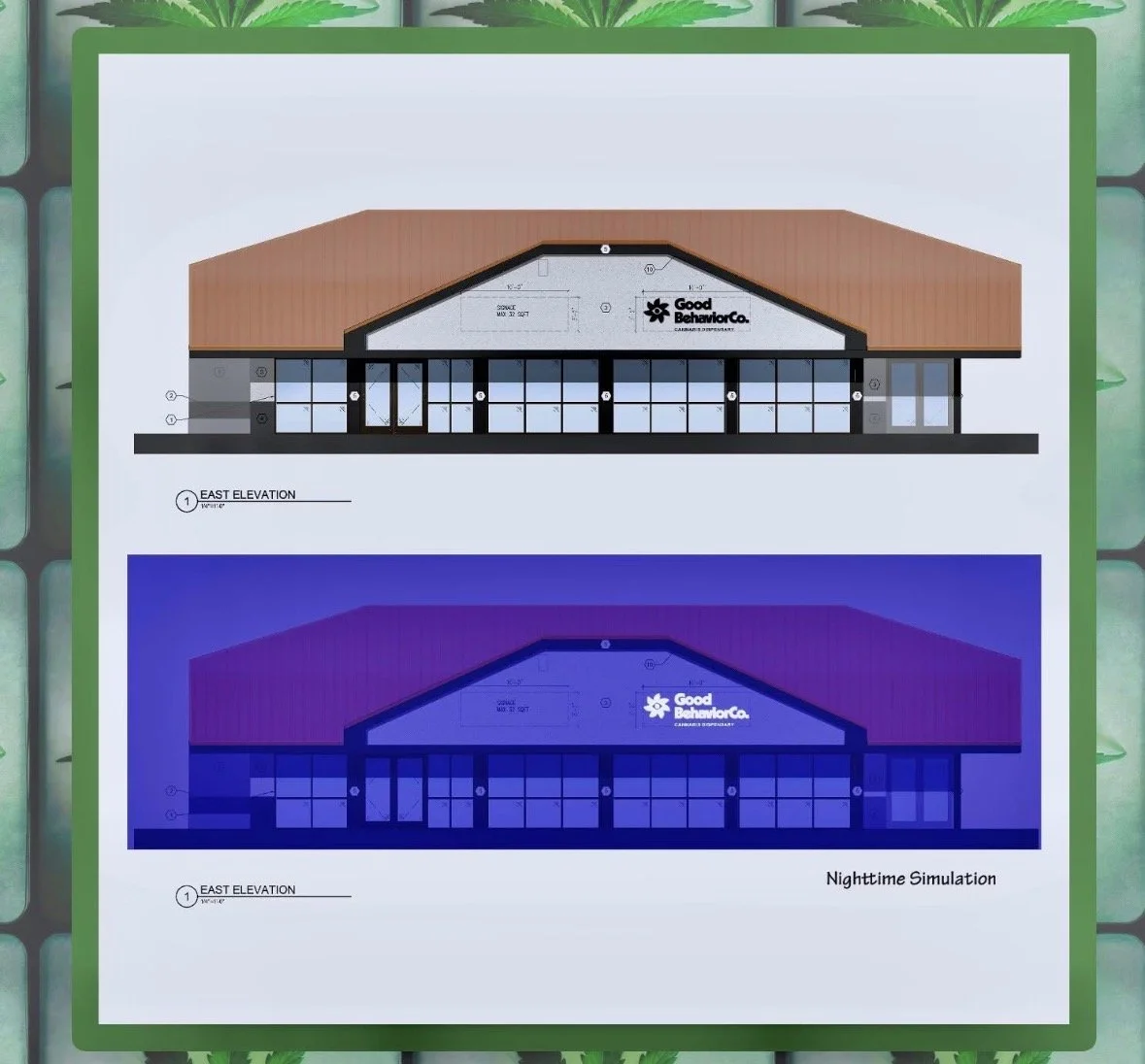
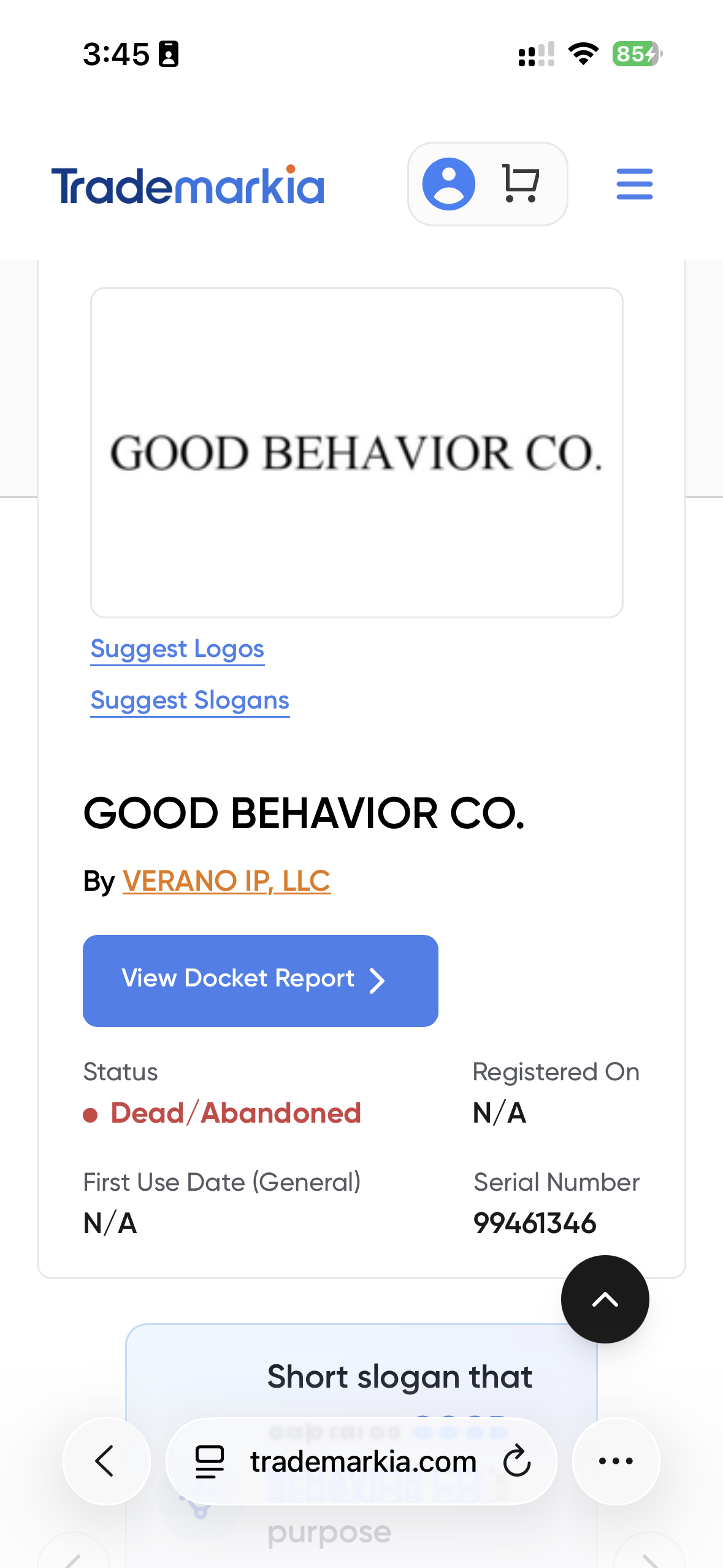
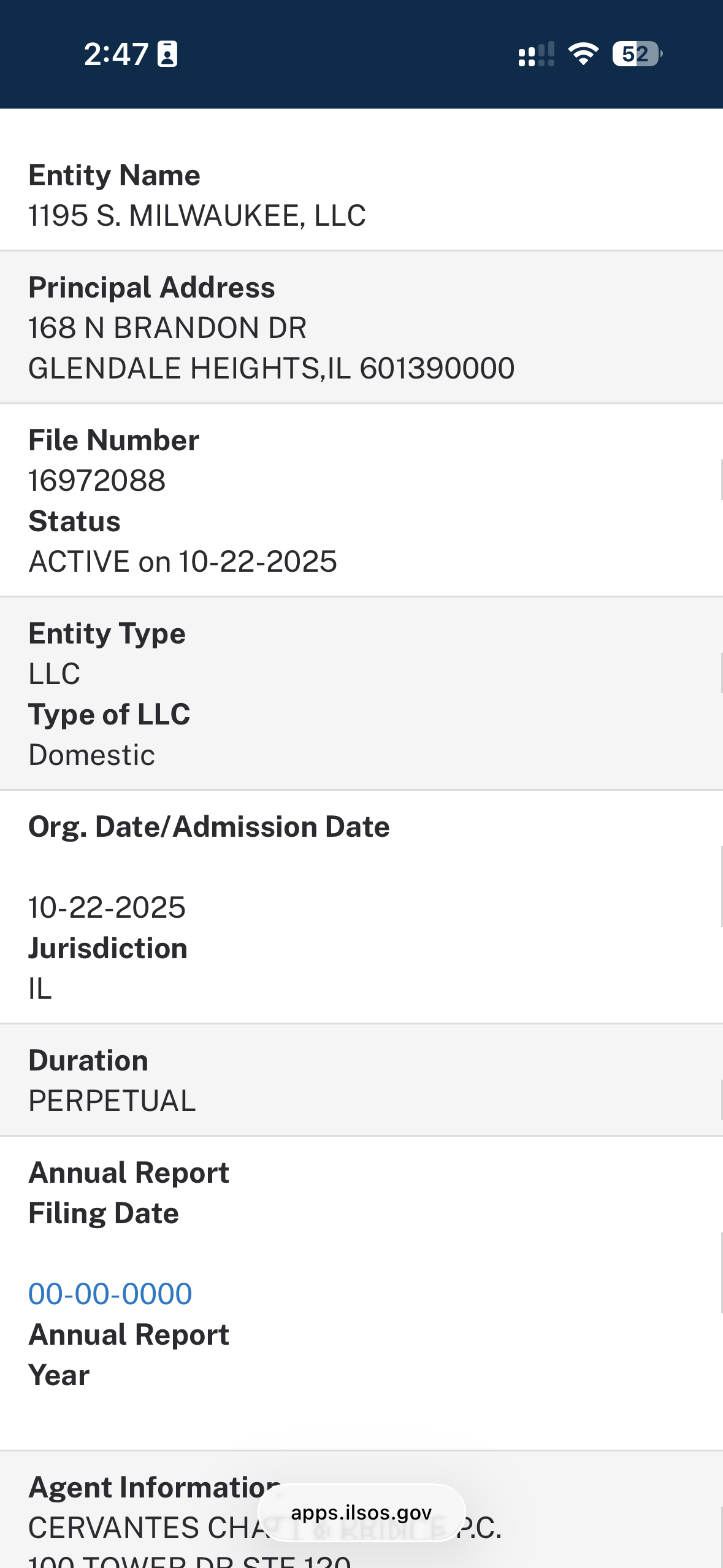
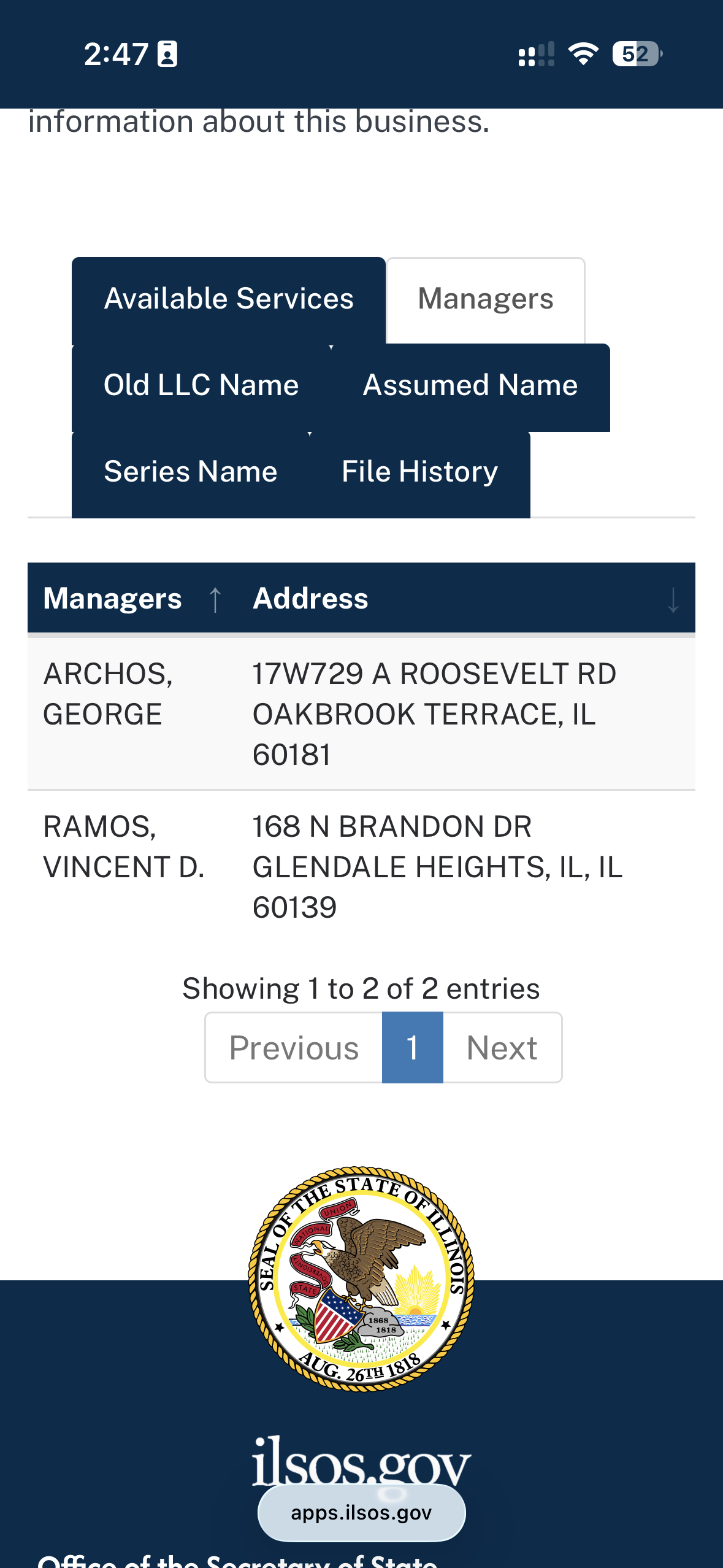
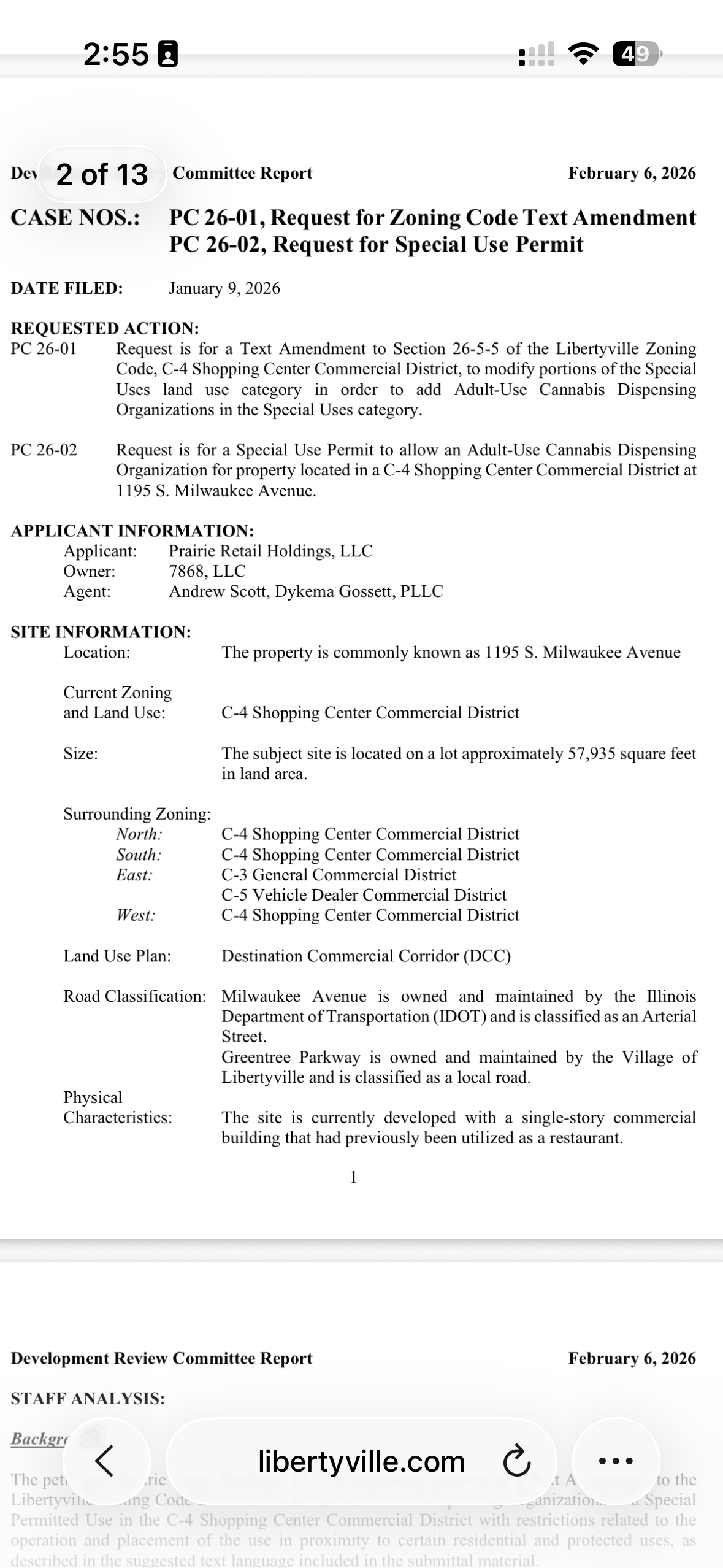
There’s something interesting about how certain stories unfold. On the surface, the proposed cannabis dispensary at the former Baker’s Square site in Libertyville Illinois followed a familiar script. A proposal is submitted, it gets reported by outlets like the Daily Herald, the community reacts, concerns are raised, and eventually according to Patch the proposal is withdrawn. That’s not unusual. That’s process. But sometimes it’s not the headline that’s worth paying attention to. It’s what sits just underneath it. Because while the public conversation tends to focus on zoning, traffic, and proximity, there’s often another question quietly floating in the background: Who exactly is behind it? Not in a conspiratorial sense. Just structurally. If you look at how these proposals are typically filed, you’ll usually find an LLC attached to the project often a name that doesn’t immediately connect to anything recognizable. That alone isn’t strange. In regulated industries, layered ownership structures and separate operating entities are standard practice. But then something else happens. People start looking at the design materials. The branding. The feel of the project itself. And suddenly, what’s being presented starts to look familiar, even if what’s filed doesn’t say so directly. That doesn’t prove anything. It doesn’t need to. It just creates a gap. A gap between what’s visible and what’s documented.And once that gap exists, people naturally start trying to close it.That’s where the Libertyville situation gets interesting. Because the proposal didn’t just move forward quietly, it drew attention. Not just from formal channels, but from the public, from conversations happening outside the official record. And as those questions built, the project didn’t clarify. It withdrew. Again, that’s not abnormal. Projects get pulled all the time. But what tends to linger isn’t the withdrawal itself. It’s the lack of a clear, simple answer to a very basic question:Why does it take so much effort to understand who is actually behind something that’s being publicly proposed? Maybe the answer is benign. Maybe it’s just the byproduct of how regulated markets are structured layers, compliance, separation between entities and brands. That’s entirely possible. But it’s also fair to observe that when visibility comes easily and structure does not, the two don’t always move in sync. And when they don’t, people notice. Not because they’re looking for something to be wrong, but because the system itself requires interpretation instead of clarity. The Libertyville proposal isn’t unique in that sense. It’s just a clean example of a broader pattern. Where what’s filed is technically available, but not easily understood. Where what’s presented feels familiar, but isn’t explicitly connected. Where questions don’t necessarily get answered, they just fade out with the project itself. No conclusions needed. Just a simple “hmm.” If you follow the breadcrumbs a bit further, things get more interesting. The name on the design materials “Good Behavior Co.” appears in trademark filings associated with Verano IP, and the building LLC listed on the proposal traces back to an entity tied to George Archos, founder and CEO of Verano. None of that, on its own, proves anything unusual, large operators often work through layered entities and licensing structures. But then you look at the actual designs, the engineering firm, the layout, and they don’t clearly align with what people typically associate with that operator’s other projects. Maybe there’s a simple explanation. Maybe there isn’t. Either way, it’s another one of those moments where what’s visible and what’s filed don’t quite line up cleanly and that’s usually where the better questions start.
F’nAround. Not conclusions. Just patterns.
The following meeting schedule from this project is tentative, and subject to change:
Economic Development Committee (EDC) Tuesday, August 4, 2026 at 6pm
Planning and Zoning Commission (PZC)Wednesday, September 9, 2026 at 7pm