Money Is Money, Until It Backs the Wrong Horse
Money Is Money, Until It Backs the Wrong Horse
There’s something uniquely Illinois about how we decide when something matters.
Not legally.
Not procedurally.
Narratively.
Because in this state, alleged “ties” have a fascinating range of outcomes.
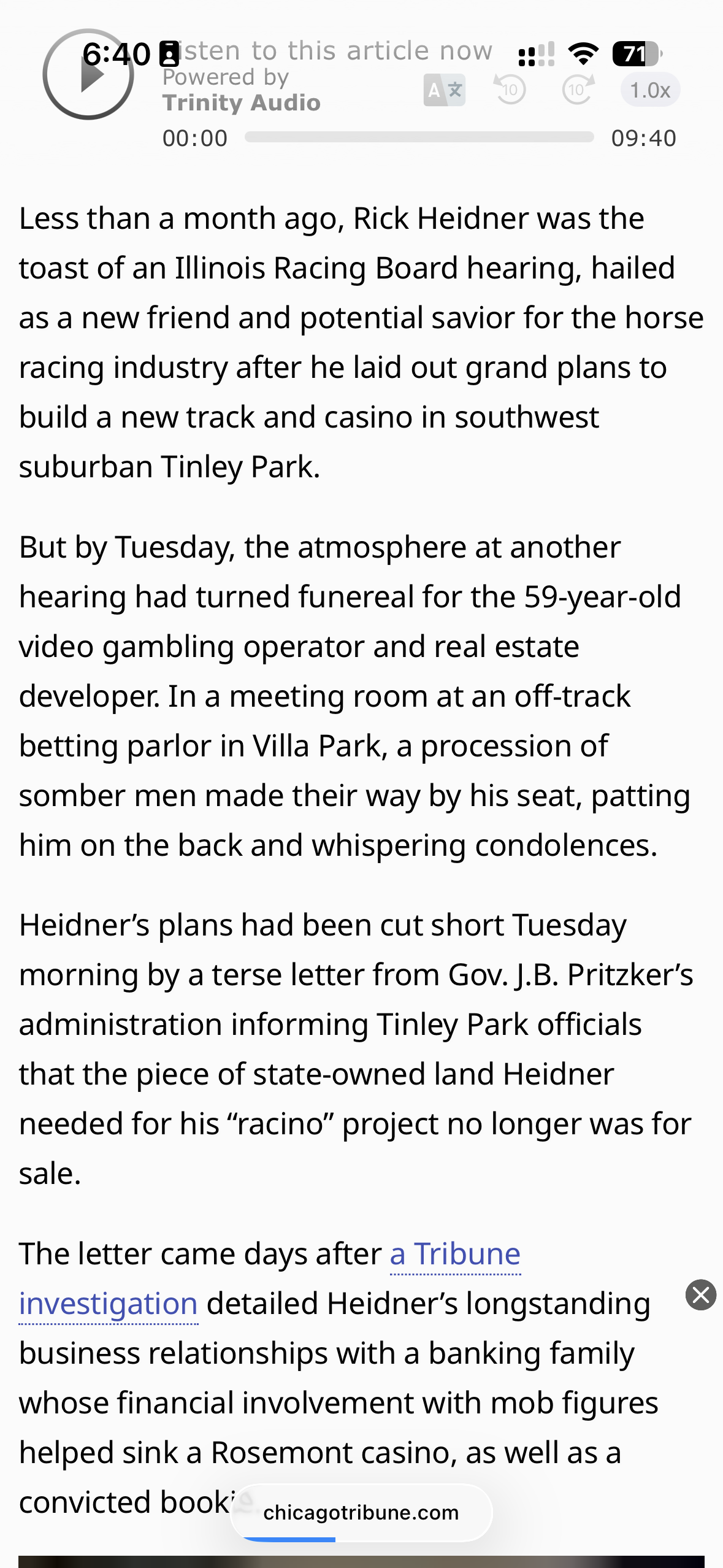
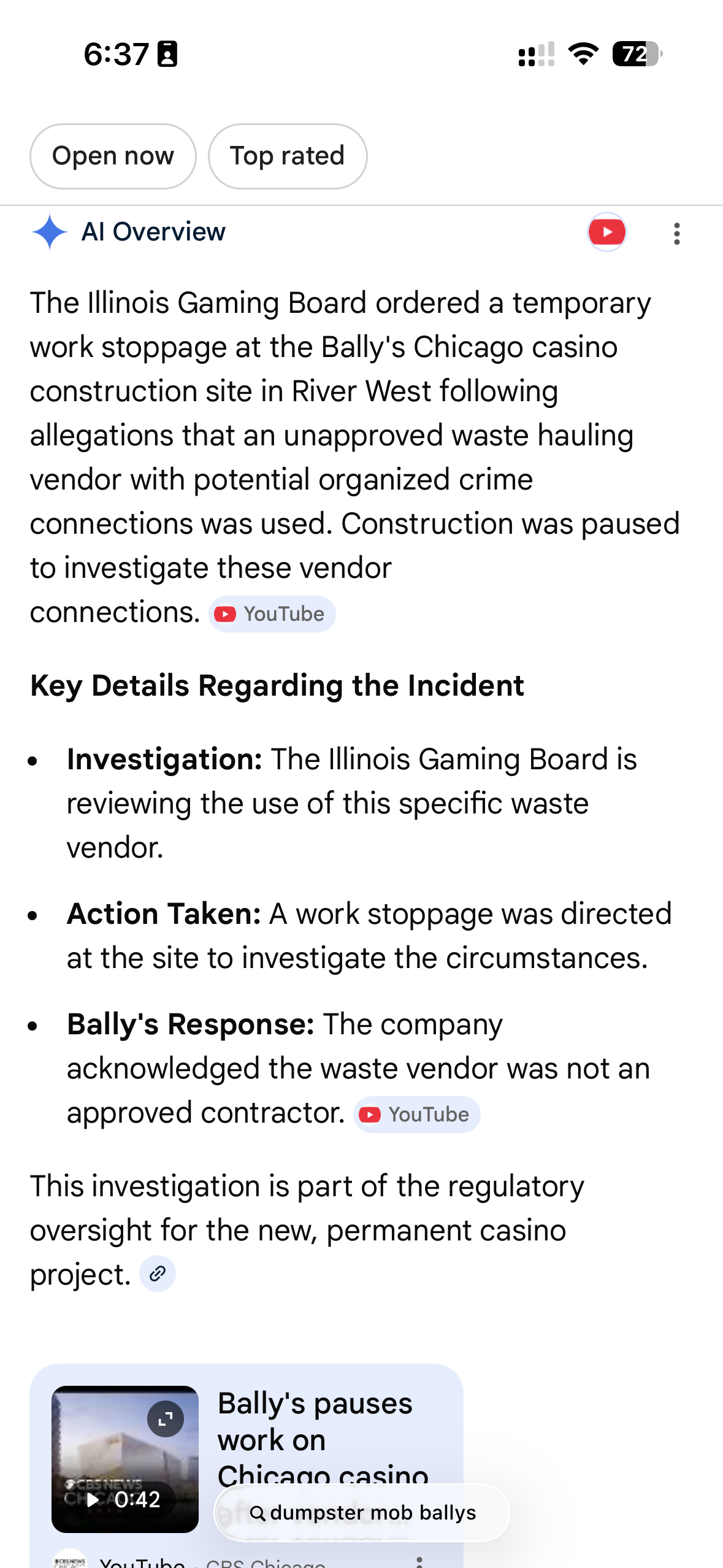
Sometimes they shut down multimillion-dollar construction projects.
Sometimes they torpedo land deals.
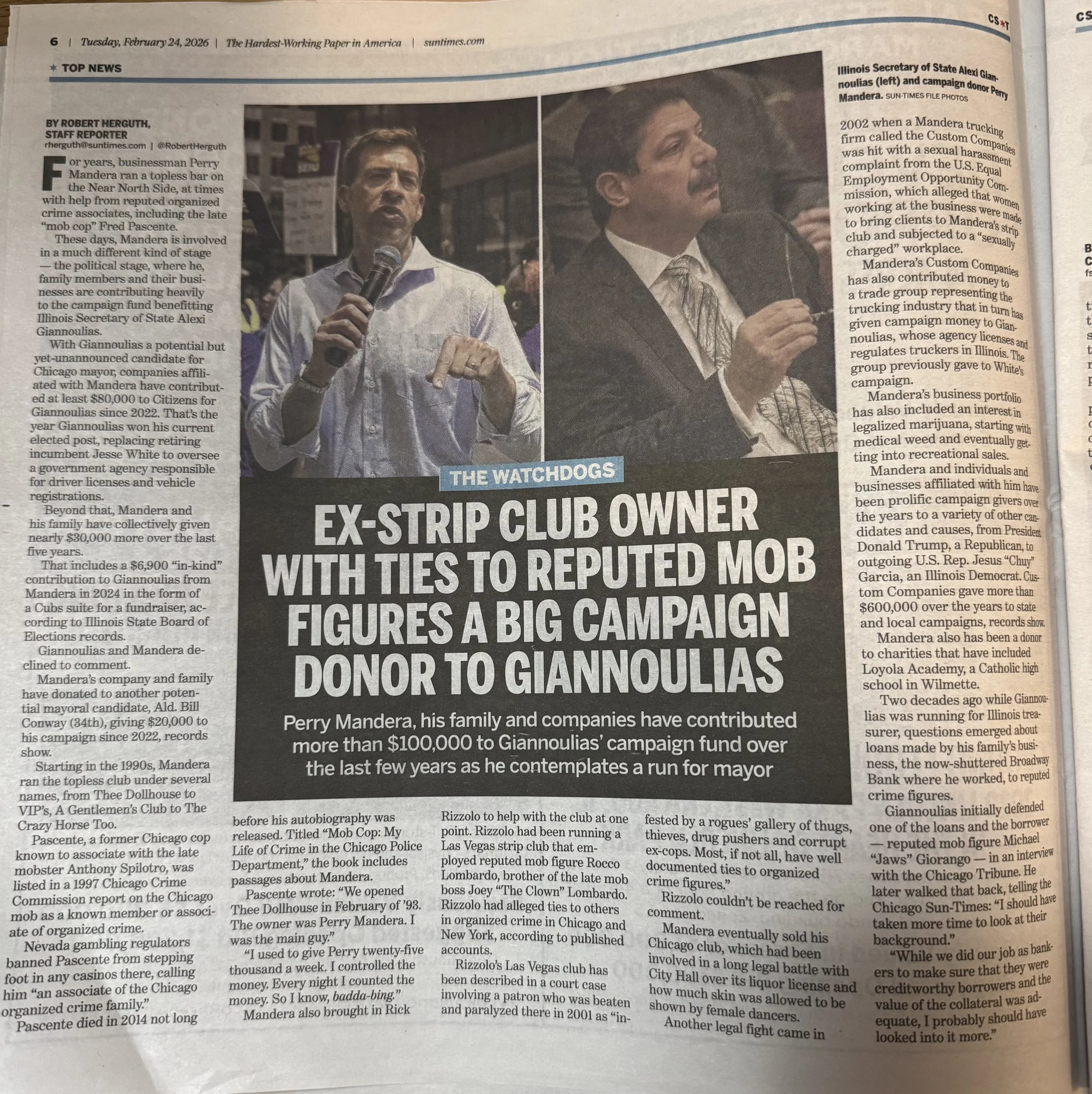
Sometimes they headline Watchdogs features and trigger political pearl-clutching.
And sometimes…
They pass a state licensing process in one of the most regulated industries in America and open for business on January 1.
Same allegations.
Different gravity.
Now before anyone hyperventilates, this isn’t an accusation. It’s a consistency question. The most dangerous kind because it doesn’t yell. It just asks.
A recent article emphasizes campaign donations and alleged past associations tied to a political donor. Fair game. Campaign finance is a blood sport. Optics matter. Influence narratives sell papers. Nobody’s shocked.
But here’s the structural wrinkle.
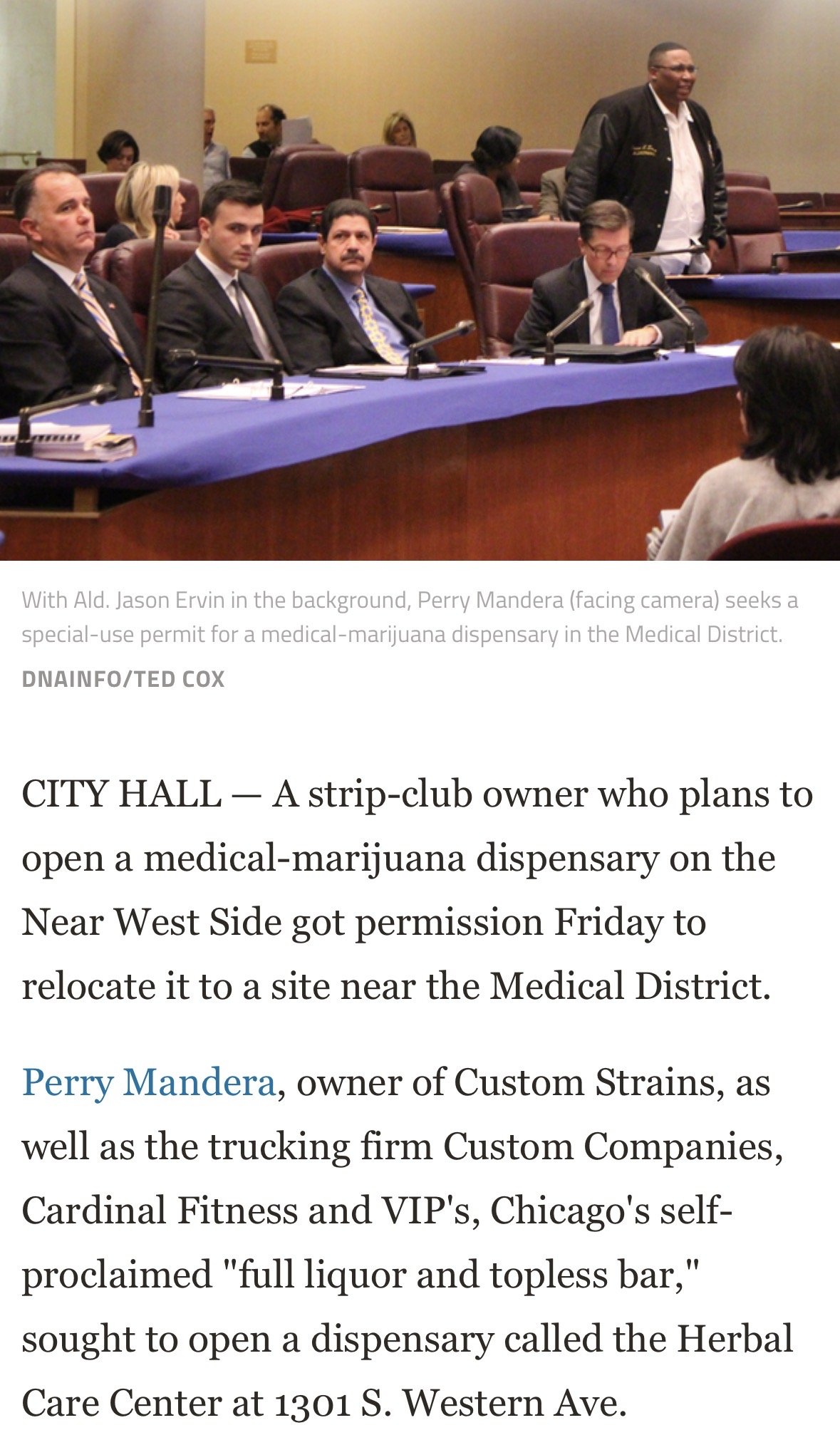
Years earlier, that same individual received state approval for a medical cannabis license, later authorized to sell recreational marijuana. And Illinois cannabis licensing isn’t exactly a “wink and a handshake” operation. It involves disclosures, financial vetting, background reviews, regulatory sign-off. It’s a compliance obstacle course.
So here’s the part where F’nAround puts down the popcorn and picks up the clipboard:
When do alleged ties become disqualifying?
Because we’ve seen projects pause when allegations surface. We’ve seen land sales withdrawn. We’ve seen vendors scrutinized into oblivion. In those cases, “alleged” was enough to trigger state-level muscle movement.
Yet in cannabis licensing, the process concluded with a green light.
Both realities are publicly documented. Both can be true.
But they cannot both operate under the same threshold unless the threshold moves.
And if the threshold moves, the question becomes:
What moves it?
Is it:
A conviction?
A regulatory finding?
A background check flag?
Or a headline cycle?
If alleged ties are severe enough to halt a casino construction vendor, then why weren’t they severe enough to prevent licensure in a state-regulated cannabis market?
If they weren’t legally disqualifying then, why are they rhetorically explosive now?
Because here’s the uncomfortable possibility:
Maybe “ties” don’t trigger consequence.
Maybe timing does.
Illinois has always had an elegant relationship with situational urgency. Money is money until it backs the wrong horse. Associations are historical until they become politically inconvenient. Licensing is procedural until campaign donations enter the storyline.
It’s almost performance art.
And again this is not an allegation of wrongdoing. If the licensing agency did its job, then it presumably found no statutory barrier. That would suggest the allegations, whatever their nature, did not meet a legal disqualification standard.
Which means we’re left with two possibilities:
Either the regulatory bar is clear and consistent in which case the political framing is optics.
Or the political framing reflects something the licensing framework somehow ignored which would raise questions nobody in Springfield enjoys answering.
Notice what’s not happening here.
No one is claiming the state “violated its own laws.”
No one is declaring a hit job.
No one is yelling “corruption.”
We’re just observing that Illinois seems to possess a sliding scale of outrage.
Construction project? Halt it.
Land deal? Pull it.
Cannabis license? Stamp approved.
Campaign donation? Sound the alarm.
Same alleged category.
Different outcomes.
That’s not chaos.
That’s elasticity.
And elasticity in governance tends to attract gravity.
Because the public can tolerate scandal.
It can tolerate controversy.
What it struggles with is inconsistency.
If alleged ties matter, they matter everywhere.
If they don’t meet a legal threshold, they don’t meet it anywhere.
But if they only matter when they intersect with the wrong political moment, then what we’re watching isn’t regulation it’s choreography.
And Illinois does love a good stage.
So here’s the real question, delivered calmly:
What is the rule?
Not the headline.
Not the vibe.
The rule.
Because if the rule is consistent, explain it.
If the rule is contextual, define it.
If the rule is situational, own it.
But don’t pretend it’s fixed when it clearly flexes.
Money is money.
Licenses are licenses.
Allegations are allegations.
Until they aren’t.
And in Illinois, the difference between “fine” and “five-alarm fire” often seems to depend less on the statute and more on who’s riding which horse.
That’s not F’nAround recklessness.
That’s just watching the pattern.
And then there’s this small, almost boring detail.
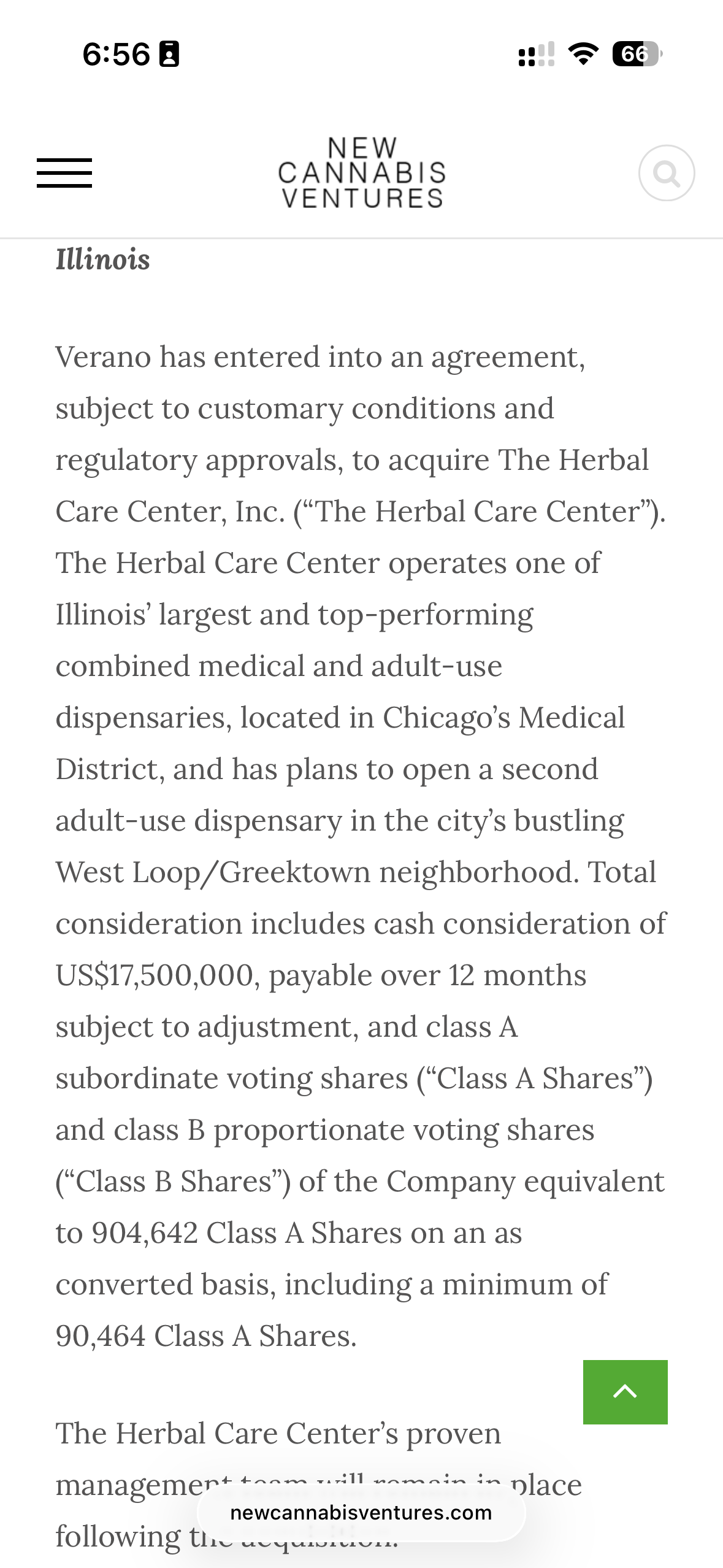
The same cannabis license that’s now framed in ominous political lighting was later acquired with state regulatory approval by one of the largest publicly traded cannabis companies in the country. Not for pennies. Not under the table. But for cash and shares. Millions of dollars. Boardroom paperwork. Securities filings. The whole corporate parade.
Now that’s interesting.
Because if this license was somehow radioactive, one would assume:
The state wouldn’t have issued it.
Regulators wouldn’t have approved its transfer.
A national cannabis operator wouldn’t have wrapped it into a publicly reported acquisition.
Compliance attorneys wouldn’t have signed off.
Shareholders wouldn’t have been briefed.
Yet here we are.
Illinois has demonstrated it can halt land sales over allegations.
Pause casino construction over vendor associations.
Pull projects when headlines get uncomfortable.
So it’s fair to ask calmly what the operative standard is.
Because if alleged ties are a five-alarm regulatory emergency, it’s hard to square that with:
State approval → license issuance → operational dispensary → acquisition by a major cannabis company → equity consideration → regulatory transfer approval.
That’s a lot of institutional steps for something supposedly toxic.
Or and this is the less dramatic possibility the licensing process did exactly what it was designed to do, found no statutory disqualification, and everything proceeded normally.
Which would make the sudden political outrage feel… situational.
Not criminal.
Not conspiratorial.
Just conveniently timed.
Illinois has shown it will shut down movement when it wants to. Decisively. Publicly. Dramatically.
So if something was truly disqualifying, history suggests it wouldn’t quietly turn into a multi-million-dollar share transaction with regulatory blessing.
Maybe this isn’t about licensing standards at all.
Maybe it’s about which narrative is useful in which season.
Just an observation.
Because in Illinois, sometimes the most interesting thing isn’t the allegation.
It’s the timing.
And it is election season…